
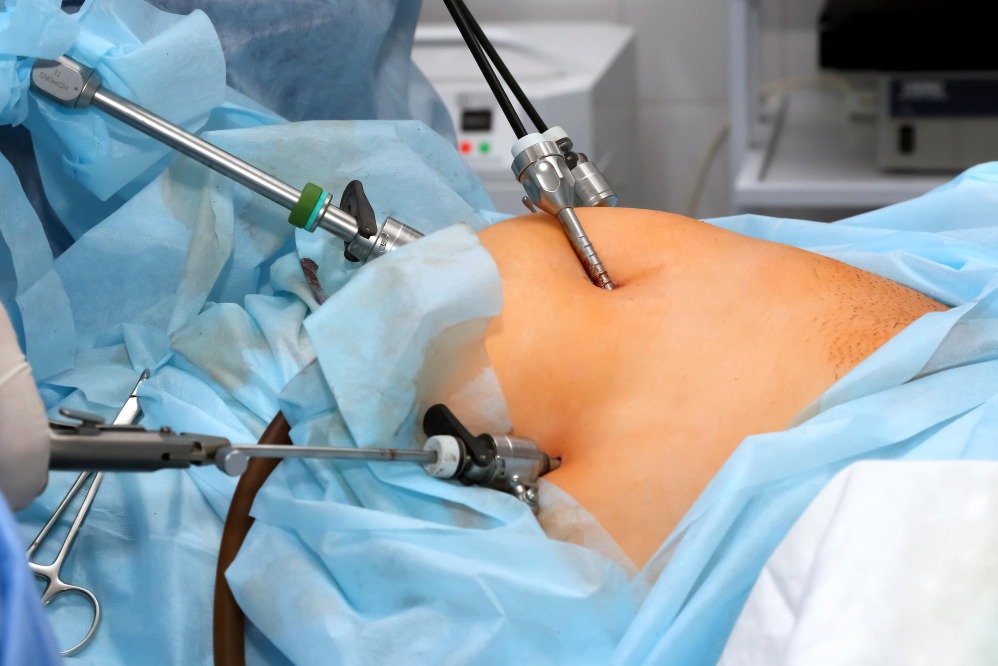
Laparoscopic surgery is widely used for many gynaecological procedures, but there is a substantial difference between routine laparoscopy and advanced surgery involving severe endometriosis, extensive adhesions, difficult fibroids, large pelvic pathology or distorted anatomy.
When an operation is expected to be challenging, choosing a Complex Laparoscopic Gynecologic Surgeon involves assessing surgical planning, experience with difficult pelvic anatomy and the ability to manage unexpected findings safely.
Identify Why Your Case Is Considered Complex
Complexity may arise from the condition itself or from previous treatment.
Examples include:
Deep endometriosis
Dense pelvic adhesions
Multiple previous abdominal surgeries
Previous caesarean sections
Large or difficult fibroids
Complex ovarian disease
Distorted pelvic anatomy
Disease near the bowel, bladder or ureters
Previous unsuccessful surgery
Certain gynaecological cancers
Ask the surgeon which specific features make your operation more challenging.
Look Beyond the Number of Small Incisions
Patients sometimes evaluate laparoscopic surgery primarily by its cosmetic advantage.
Small incisions are useful, but advanced laparoscopy is fundamentally about safely operating within the abdomen and pelvis using minimally invasive access.
For complex cases, the surgeon may need to perform adhesiolysis, carefully identify ureters, separate organs affected by scar tissue or reconstruct normal anatomy.
Technical capability therefore matters considerably more than incision size.
Ask How Imaging Influences the Plan
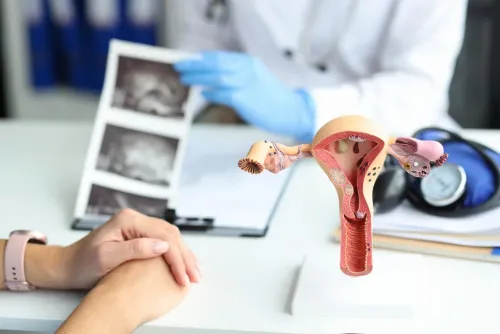
Ultrasound and MRI can help identify disease distribution and anticipate difficult anatomy.
For endometriosis, imaging may suggest ovarian, bowel, bladder or deep pelvic involvement. For fibroids or pelvic masses, it can clarify size and anatomical relationships.
A surgeon should be able to explain what the imaging shows and how those findings influence the proposed operation.
Discuss Fertility Before the Procedure
For women who want future pregnancies, complex pelvic surgery may require additional planning.
Questions may include whether the uterus can be preserved, how ovarian tissue will be protected and whether surgery could affect ovarian reserve or fallopian tube function.
In selected situations, fertility consultation before surgery may be appropriate.
Understand the Possibility of Open Surgery
Even when laparoscopy is planned, conversion to an open operation can occasionally become necessary.
Unexpected anatomy, bleeding or other intraoperative findings may influence this decision.
A surgeon who discusses this possibility is not indicating a lack of confidence. It reflects appropriate preparation for circumstances where patient safety requires changing the surgical approach.
Evaluate the Consultation Before Choosing
Before committing to advanced surgery, consider whether you have received clear answers about:
Your diagnosis
Why surgery is required
Alternative treatments
Expected surgical procedure
Structures that may be involved
Fertility implications
Relevant risks
Expected recovery
Possibility of additional procedures
Follow-up after surgery
These factors provide a much more meaningful basis for choosing a surgeon than broad claims about technology or recovery.
Preparing for an Advanced Surgical Consultation
Bring previous scan reports and images, operative records, pathology reports and details of earlier treatment.
If symptoms fluctuate with menstruation, keeping a short symptom record can also provide useful clinical information.
Dr. Kunaal Shinde evaluates complex laparoscopic gynaecological conditions in Pune, Maharashtra, including cases involving endometriosis, fibroids, difficult pelvic anatomy and other advanced surgical requirements.
For patients considering complex surgery, readiness is reflected in careful diagnosis, detailed planning, transparent discussion and a surgical strategy that can adapt to the actual findings. The goal is not simply to complete an operation laparoscopically, but to choose an approach appropriate to the disease, anatomy and individual priorities.