
Endometriosis surgery can relieve pain, restore distorted pelvic anatomy, remove an ovarian endometrioma, or make follicles accessible for IVF, but it cannot guarantee pregnancy. By separating the reason for surgery from the goal of pregnancy, you can compare observation, medical treatment, fertility treatment, ovarian preservation and specialist surgery before consenting to an operation.
Key takeaways
- Define whether surgery targets pain, adhesions, anatomy, ovarian disease or tissue diagnosis.
- Discuss ovarian reserve before endometrioma surgery and compare surgery with fertility treatment.
- Match the operation to disease location, including ovaries, tubes, bowel or bladder.
- Ask about fertility outcomes, surgical risks, alternatives and follow-up before choosing a Pune surgeon.
What is fertility-preserving surgery trying to achieve?
Fertility preserving endometriosis surgery is defined by what it protects and why it is performed—not by whether the operation is laparoscopic. The aim may be to relieve persistent pain, release adhesions, restore pelvic anatomy, treat an endometrioma, remove disease blocking follicle access, address a hydrosalpinx, or obtain tissue when imaging raises concern.
None of these aims guarantees pregnancy.
Before surgery, ask the plan to record whether these will remain:
- The uterus, so you can carry a pregnancy
- One or both ovaries, including the amount of usable ovarian tissue
- Functional fallopian tubes
- Ovarian blood supply and future assisted-reproduction options
A hysterectomy removes the uterus and ends the ability to carry a pregnancy, even when the ovaries are retained. Removing both ovaries causes immediate loss of ovarian hormone production and eggs. That is definitive surgery, not fertility-preserving surgery.
Stage III or IV disease does not automatically make surgery the best fertility treatment. Disease stage also does not reliably predict pain severity. A specialist transvaginal ultrasound or MRI can map deep disease, but a normal scan does not exclude superficial implants.
Discuss the diagnosis, pain plan and pregnancy plan separately; surgery can improve one without achieving the others.
When should surgery come before fertility treatment or observation?
Endometriosis fertility surgery should come before treatment only when it solves a defined problem that observation or assisted reproduction cannot address efficiently. Pain severity, disease stage and the presence of a cyst alone do not decide the sequence; review symptoms, imaging, ovarian reserve, tubes, sperm factors, age and infertility duration together.
| Option | What it offers | When it fits |
|---|---|---|
| Expectant management | Time for natural conception with monitoring | Controlled symptoms, reassuring imaging and no urgent anatomical problem |
| Hormonal suppression | Pain and recurrence control | You are not trying to conceive; it prevents conception and is not fertility treatment |
| Ovulation treatment or IUI | Lower-complexity fertility treatment | Ovulation, tubes, sperm factors and age support these options |
| IVF or ICSI | Bypasses tubal and some sperm-related barriers | Distorted tubes, reduced reserve, longer infertility or other limiting factors |
1. Set a deadline for observation, such as a defined number of months, and book a review with repeat imaging or fertility assessment. Do not let “wait and see” become an unplanned delay.
2. Choose surgery first for severe or persistent pain, suspicious imaging, rapid growth, infection, a hydrosalpinx, major adhesions or an endometrioma blocking follicle access. Solid areas, papillary projections, marked vascularity or ascites require oncologic assessment.
3. ESHRE does not recommend routine endometrioma surgery solely to improve live-birth rates before IVF or ICSI. A clear benefit has not been shown, and ovarian reserve can fall.
4. Treat repeat surgery as a separate decision: residual cyst visibility alone is not an indication. Require a specific benefit, because cumulative ovarian tissue loss can exceed the impact of the first operation.
How can ovarian surgery affect your future fertility?
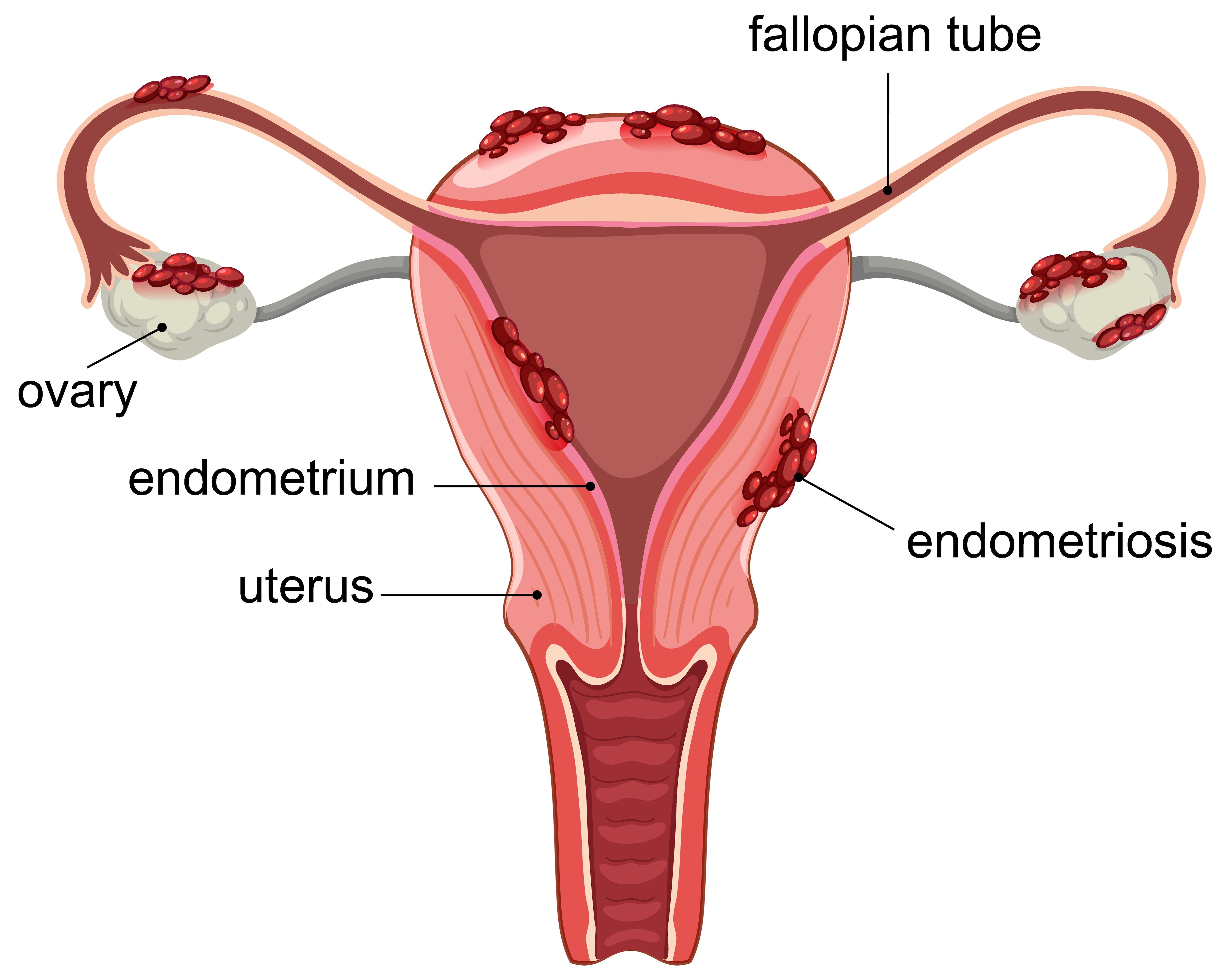
An ovarian endometrioma operation can protect fertility or reduce it. Cystectomy removes the cyst wall but can also remove healthy ovarian tissue. Drainage with ablation or laser may preserve more tissue in selected cases, but recurrence and pain outcomes differ.
1. Weigh the operation against the cyst’s size and appearance, symptoms, one-sided or bilateral disease, recurrence, previous ovarian surgery, age, baseline anti-Müllerian hormone (AMH), antral follicle count and the amount of normal ovary at risk.
2. Measure ovarian reserve before and after surgery with AMH and antral follicle count. These tests estimate remaining reserve, but neither test alone predicts natural conception. Repeat surgery needs particular caution because cumulative tissue loss can exceed the effect of a first operation.
3. Discuss egg or embryo freezing before surgery if disease is bilateral or recurrent, AMH or antral follicle count is low, reproductive age is advancing, or extensive ovarian dissection is likely. Retrieval planning must allow for stimulation, egg collection and anaesthesia without delaying urgent treatment for severe pain, infection or suspicious imaging.
4. Ask an endometriosis expert in Pune to explain why surgery is needed, what tissue may be preserved and whether observation or fertility treatment is safer. Fertility preserving endometriosis surgery does not guarantee pregnancy, and cryopreservation preserves eggs or embryos rather than guaranteeing a future live birth.
A reproductive-medicine consultation should happen before difficult ovarian surgery whenever time permits.
Why does the location of endometriosis change the operation?
Location determines which organs are mobilised, which specialists are needed, and how fertility is protected. Superficial peritoneal implants may need excision or ablation; adhesiolysis releases ovaries, tubes or bowel that adhesions have fixed together. These choices differ in pain relief, recurrence and injury risk.
| Location | Possible procedure | Planning concern |
|---|---|---|
| Superficial peritoneum | Excision or ablation | Balance pain control, recurrence and nearby-organ injury |
| Uterosacral ligament, pelvic sidewall or rectovaginal area | Careful deep dissection | Protect nerves, vessels, ureters, vagina and reproductive structures |
| Bowel | Shaving, disc excision or segmental resection | Discuss escalation, bowel complications and temporary stoma risk |
| Bladder or ureter | Bladder excision or repair; ureterolysis | Plan urinary repair and urological participation |
| Hydrosalpinx | Salpingectomy or another tubal procedure | Reassess natural conception and IVF plans |
Not every bowel or bladder lesion requires organ resection. Your consent discussion should state what happens if deeper disease appears and whether colorectal or urological specialists will join the operation. Ask how the surgeon will protect ovarian blood supply, both tubes and uterine anatomy.
During a gynaec laparoscopic surgery Pune consultation, ask for the exact procedure and its fertility trade-offs. Solid components, papillary projections, marked vascularity, ascites or rapid growth require oncologic assessment, not routine fertility-preserving cyst surgery. Most endometriosis is benign, but suspected malignancy changes the entire pathway.
How do you assess an endometriosis surgeon in Pune?
The phrase endometriosis expert Pune becomes useful only when it produces checkable answers, not a marketing label. Ask whether the surgeon routinely treats superficial implants, ovarian endometriomas, and deep disease involving the bowel, bladder, or ureter.
1. What is the indication for my operation, and what happens if I choose no surgery, hormonal treatment, ovulation treatment, insemination, or IVF first?
2. How could this exact procedure affect AMH, antral follicle count, ovarian blood supply, and healthy ovarian tissue? Ask for the complication and recurrence rates for the proposed operation, not a hospital-wide average.
3. If an endometrioma returns, what specific finding would justify repeat surgery? A visible residual cyst alone may not justify another operation, especially after previous ovarian surgery.
4. Who will participate if bowel, bladder, or ureter dissection is required? Clarify whether colorectal and urological specialists will be present, and discuss urinary injury, bowel injury, conversion to a larger operation, and temporary stoma risk where relevant.
5. What happens if the surgeon finds unexpected extensive disease or suspicious tissue? Ask whether tissue will undergo histopathology and how suspected malignancy would change the fertility-preserving plan.
6. Can the team coordinate egg or embryo freezing before surgery? Discuss this promptly with low AMH, reduced antral follicle count, bilateral or recurrent disease, advancing reproductive age, or extensive ovarian dissection.
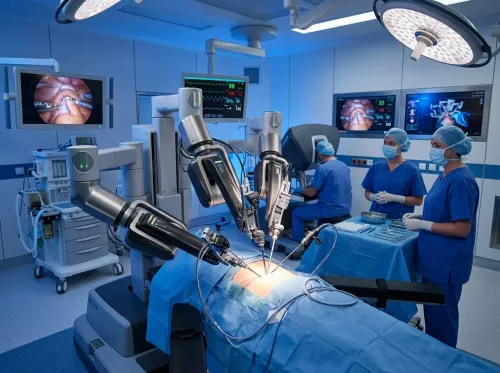
Robotic surgery is a platform, not proof of better fertility outcomes. Experience with the particular dissection matters more. A consultation with Dr.Kunaal Shinde- Gynaec Laparoscopic Surgeon Pune can connect scans, ovarian reserve, pain, and fertility goals to endometriosis expert Pune fertility preserving surgical decisions.
Bring scan reports, AMH, antral follicle count, operative notes, semen analysis, and infertility duration.
Related services
Fertility Enhancing Endoscopic Surgeries Fertility Enhancing Endoscopic Surgeries Fertility enhancing endoscopic surgery is a minimally invasive procedure that can help diagnose and treat infertility issues. View service → |
Laparoscopy Surgery Diagnostic Hystero Laparoscopy Lap Surgery for Endometrisis Lap Surgery for Ectopic Pregnancy Lap Surgery for uterine Anomalies Lap Cerclage... View service → |
Frequently asked questions
What is fertility-preserving endometriosis surgery trying to achieve?
It aims to protect future fertility while treating a specific problem, such as persistent pain, adhesions, distorted pelvic anatomy, an endometrioma, blocked follicle access, hydrosalpinx or suspicious tissue.
When should surgery come before fertility treatment or observation?
The decision depends on the symptoms, disease location, ovarian reserve, tubal status, fertility plans and treatment risks. Compare surgery with fertility treatment and observation rather than using one approach for every case.
How can ovarian surgery affect future fertility?
Surgery for an ovarian endometrioma can affect healthy ovarian tissue and ovarian reserve. Discuss the expected benefit, ovarian reserve assessment and fertility-preservation options before operating.
Why does the location of endometriosis change the operation?
Endometriosis on the ovary, tubes, bowel, bladder or pelvic ligaments requires different surgical planning. Location affects the route, complexity, risks and fertility consequences of treatment.
How do you assess an endometriosis surgeon in Pune?
Ask about experience with fertility-preserving endometriosis surgery, the proposed procedure, alternatives, ovarian reserve protection, complications, pathology and follow-up.
Related service
Gynaec Onco Surgery Cervical Cancer Ovarian Cancer Uterine Cancer Fallopian Tube Cancer Vulvar Cancer View service → |