
Pelvic pain that lasts for months, follows each period, or occurs during sex, bowel movements or urination needs more than a quick assumption of endometriosis. A structured specialist assessment can identify urgent warning signs, separate overlapping conditions and match treatment to your symptoms, fertility plans and response to medicines.
Key takeaways
- Seek urgent care for sudden severe pain, fainting, fever, heavy bleeding, or possible pregnancy.
- Endometriosis diagnosis requires symptom history, examination, and targeted imaging—not pain alone.
- Medication, hormonal treatment, physiotherapy, and lifestyle changes may precede surgery.
- Ask what the laparoscopy will inspect, treat, preserve, and require during recovery.
What counts as persistent pelvic pain, and when is it urgent?
Persistent pelvic pain means pain lasting for months, returning with menstruation, or continuing between periods. A search for endometriosis expert Pune persistent pelvic pain help should lead to a detailed assessment, not an assumption that every ache is endometriosis.
An endometriosis expert records the pattern rather than relying on a label. Tell them:
- The exact location, cycle timing and severity of pain
- Deep pain during sex, painful bowel movements or painful urination
- Heavy, irregular or bleeding between periods
- Bowel or bladder changes
- Previous pelvic surgery
- Fertility goals
- Which medicines you have tried and how they affected symptoms
Persistent pelvic pain endometriosis is only one possibility. Adenomyosis, fibroids, pelvic inflammatory disease, ovarian cysts, adhesions, irritable bowel syndrome, bladder pain syndrome, pelvic-floor muscle pain, vulvodynia, musculoskeletal pain and nerve-related pain can produce similar symptoms. More than one cause can exist.
Do not wait for a routine appointment if you have:
- Sudden, severe pelvic pain
- Fainting or marked weakness
- Fever
- Heavy vaginal bleeding
- Repeated vomiting
- A new pelvic mass
- Unexplained weight loss
- A positive pregnancy test with one-sided pain
These warning signs can indicate ectopic pregnancy, ovarian torsion, infection, haemorrhage or another urgent condition rather than routine endometriosis. Seek emergency assessment, especially when pregnancy is possible or symptoms are rapidly worsening.
How does a specialist distinguish endometriosis from other causes?
Persistent pelvic pain does not automatically mean endometriosis. A specialist compares the pain pattern with examination findings and imaging because several conditions can produce similar symptoms:
- Adenomyosis
- Fibroids
- Ovarian cysts
- Pelvic inflammatory disease
- Adhesions after infection or surgery
- Irritable bowel syndrome
- Bladder pain syndrome
- Pelvic-floor myalgia
- Vulvodynia
- Musculoskeletal pain
- Nerve-related or centrally sensitised pain
More than one cause can coexist. A pelvic pain specialist in Pune will therefore consider whether bowel, bladder, muscle, nerve and reproductive symptoms overlap instead of treating one scan as the diagnosis.
The first consultation includes a review of symptoms, medicines and previous treatment. The clinician may perform a pelvic examination when appropriate, arrange a pregnancy test, request blood tests when indicated and perform a transvaginal ultrasound.
Pelvic MRI is useful for mapping adenomyosis, ovarian endometriomas and deep disease involving the bowel, bladder or ureters. It becomes especially valuable when surgery is being planned, because the team needs to anticipate organ involvement and specialist support.
A normal examination or ultrasound does not rule out endometriosis. Superficial lesions can remain unseen, and persistent symptoms should not end the investigation. Persistent pelvic pain and endometriosis require assessment over time, with the clinical history, examination and imaging considered together.
Which treatments come before surgery for endometriosis-related pain?
Hormonal treatment is usually a trial before surgery when endometriosis-related pain is suspected and pregnancy is not being pursued immediately. Combined hormonal contraception, progestogens, and selected GnRH agonists or antagonists can reduce pain, but they do not remove established lesions.
| Option | Main role | Key decision points |
|---|---|---|
| Combined hormonal contraception | Suppresses ovulation and menstruation | Avoid when contraindications apply; consider side effects and preference |
| Progestogens | Suppress endometrial activity | Choose according to bleeding pattern, tolerability and pregnancy plans |
| GnRH agonists or antagonists | Provide stronger hormonal suppression | Reserve for selected cases; discuss bone health, add-back treatment and adverse effects |
| Non-hormonal care | Treat pain mechanisms hormones cannot fix | Consider analgesics, pelvic-floor physiotherapy, bowel, bladder, musculoskeletal or nerve-pain treatment |
An endometriosis expert pune patients consult should match treatment to contraindications, side effects, bone-health concerns, fertility plans and personal preference. Pain relief does not prove that lesions have disappeared, and stopping treatment can allow symptoms to return.
Surgery is a poor first choice when symptoms are mild, another diagnosis is more likely, medical treatment has not been tried, or operative risk outweighs the expected benefit. Pain intensity does not reliably show the amount of visible disease.
Even technically successful surgery can leave pain caused by pelvic-floor spasm, bladder or bowel disorders, nerve pain or nervous-system sensitisation, so an endometriosis expert pune patients choose should address those causes rather than promise a cure.
When is endometriosis laparoscopy considered, and what should it involve?
Laparoscopy is considered when imaging is negative or inconclusive and empirical treatment has been unsuccessful, unsuitable or unacceptable, or when symptoms, examination and imaging point to disease requiring treatment. The decision combines pain pattern, examination findings, ultrasound or MRI, fertility plans and treatment response; one report alone should not decide it.
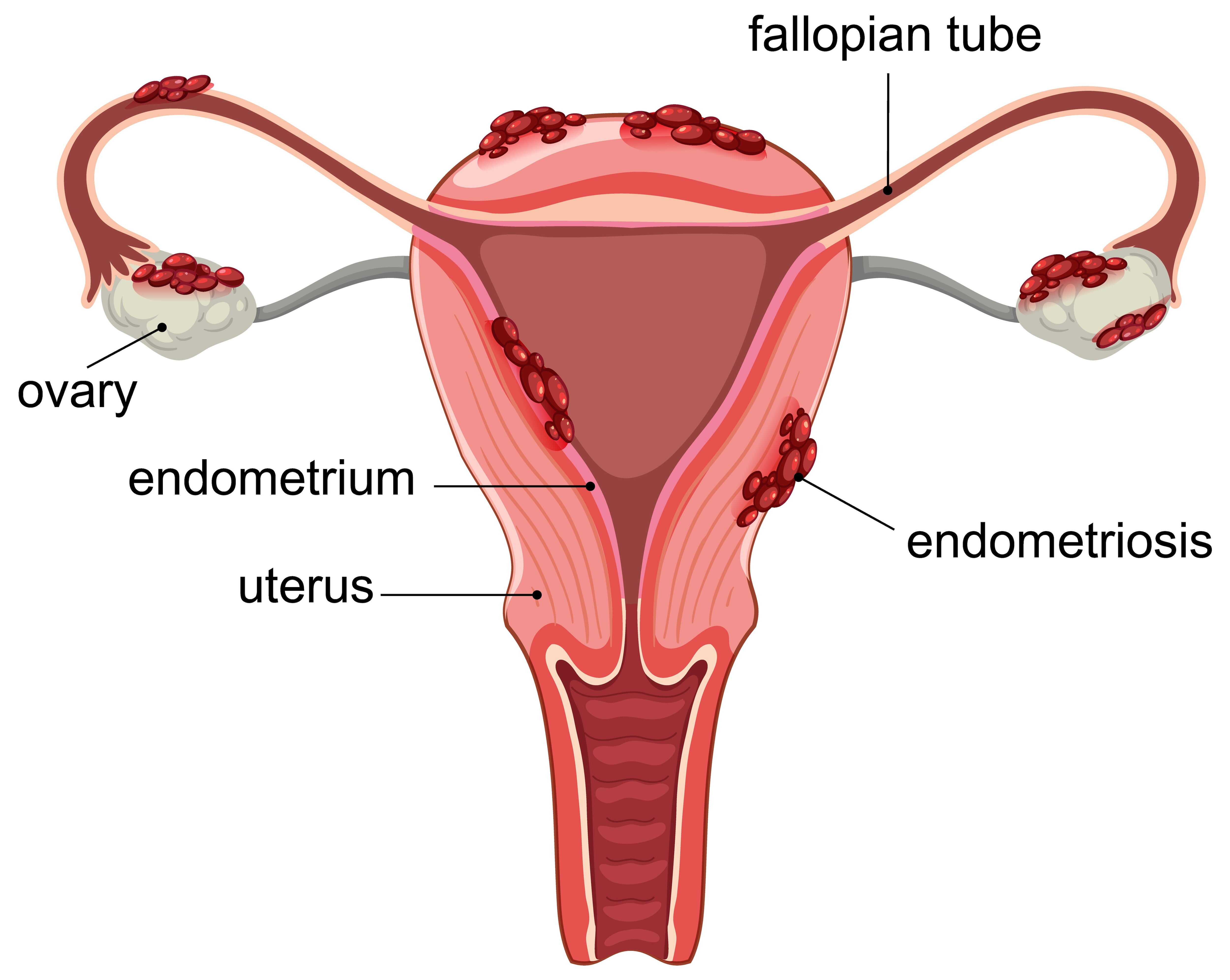
Before surgery, the surgeon maps superficial peritoneal lesions, ovarian endometriomas and deep disease involving the bowel, bladder or ureter. Excision cuts out lesions, while ablation destroys their surface. The choice depends on depth, location, fertility goals and surgical expertise; visual inspection is not definitive in every case, so biopsy and histology can confirm the diagnosis.
Deep disease needs a plan for colorectal or urology involvement. Treatment may include bowel shaving, disc excision, segmental resection, ureterolysis or measures that protect the urinary tract. Ask what the team will do if disease reaches an organ.
- Confirm which areas will be inspected and treated.
- Ask whether tissue will be sent for histology.
- Discuss bleeding, infection, bowel, bladder, ureter or blood-vessel injury, anaesthetic complications, adhesions and recurrence.
- Ask what happens if surgery cannot remove all disease, and whether another pain mechanism could remain.
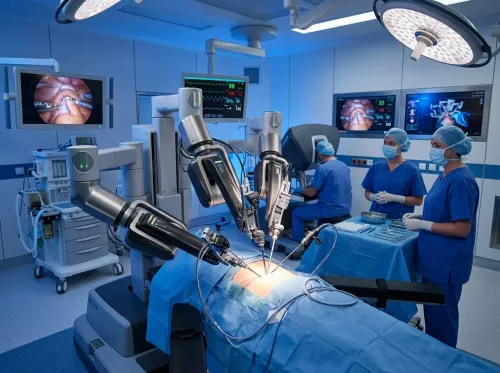
When comparing endometriosis laparoscopy Pune services, ask whether conventional or robotic surgery changes excision completeness, team involvement, recovery, complications or cost. Dr.Kunaal Shinde- Gynaec Laparoscopic Surgeon Pune is one local option for this decision-focused discussion; compare the proposed plan, not the platform’s name.
Related services
Laparoscopy Surgery Diagnostic Hystero Laparoscopy Lap Surgery for Endometrisis Lap Surgery for Ectopic Pregnancy Lap Surgery for uterine Anomalies Lap Cerclage... View service → |
Gynaec Onco Surgery Cervical Cancer Ovarian Cancer Uterine Cancer Fallopian Tube Cancer Vulvar Cancer View service → |
What should follow diagnosis or endometriosis surgery?
After diagnosis or surgery, your follow-up plan should track symptoms against each menstrual cycle, review treatment response and check recovery. Record pain location, severity, bleeding, bowel movements, urination, sex, pelvic-floor tightness and medicines. After surgery, the review should include wound healing, fever, bleeding, activity, bladder function and bowel recovery.
Surgery does not guarantee permanent relief. Endometriosis can recur, while persistent pelvic pain can arise from pelvic-floor spasm, bladder or bowel disorders, nerve pain or nervous-system sensitisation. Treatment may therefore include pelvic-floor physiotherapy, pain medicine, psychological support or colorectal, urology and pain-team referral rather than repeated surgery alone.
Postoperative hormonal suppression is commonly considered when pregnancy is not being pursued immediately. Fertility plans change its timing and choice, so ask how treatment affects conception and whether delaying hormones is appropriate.
Ask your clinician:
- What was found, which organs were involved, and what was treated?
- Was tissue sent for histology, and what did the report show?
- What remains, and what symptoms should improve?
- When should you seek urgent help for severe pain, fever, heavy bleeding, vomiting, fainting or wound problems?
- When do you need colorectal, urology, physiotherapy or pain-team review?
Conventional laparoscopy | Robotic-assisted laparoscopy Platform | Standard keyhole instruments | Computer-assisted keyhole instruments Ask about | Excision completeness, complications, recovery and cost | The same outcomes, plus added cost and team requirements Meaning | Surgical approach, not a guarantee | Surgical platform, not proof of superior outcomes
For persistent pelvic pain endometriosis, a pelvic pain specialist Pune can help reassess coexisting causes instead of assuming every recurrence is new endometriosis.
Frequently asked questions
What counts as persistent pelvic pain, and when is it urgent?
Persistent pelvic pain lasts for months, returns with menstruation, or continues between periods. Seek urgent care for sudden severe pain, fainting, fever, heavy bleeding, vomiting, or pain with a possible pregnancy.
How does a specialist distinguish endometriosis from other causes?
A specialist reviews the timing, location, severity, menstrual pattern, bowel and bladder symptoms, fertility history, medicines, and previous operations. Examination and targeted ultrasound or MRI help assess endometriosis while considering conditions such as fibroids, adenomyosis, ovarian cysts, pelvic infection, urinary disorders, and bowel disease.
Which treatments come before surgery for endometriosis-related pain?
Treatment can include anti-inflammatory pain relief, hormonal suppression, pelvic-floor physiotherapy, heat, activity adjustments, and support for bowel or bladder symptoms. The choice depends on symptoms, pregnancy plans, side effects, examination findings, and imaging.
When is endometriosis laparoscopy considered, and what should it involve?
Laparoscopy is considered when symptoms persist despite treatment, imaging shows a significant lesion, an endometrioma or deep disease needs assessment, or diagnosis and treatment require direct inspection. Discuss whether the surgeon will remove or biopsy lesions, treat endometriomas, protect fertility-related structures, and provide a recovery plan.
What should follow diagnosis or endometriosis surgery?
Follow-up should review pathology results, pain and bleeding, wound healing, bowel or bladder symptoms, medicines, fertility goals, and recurrence prevention. Seek prompt medical attention for worsening pain, fever, heavy bleeding, breathing difficulty, or a wound that becomes red or drains.