
Being advised to undergo surgery can feel overwhelming, especially when you're presented with newer treatment options like robotic-assisted surgery. While robotic technology has transformed modern gynaecology, many women still wonder whether it is the right solution for their condition. If you're looking for an Advanced Robotic Gynaec Surgeon in Pune, understanding when robotic surgery is recommended can help you approach treatment with greater confidence.
Dr. Kunaal Shinde provides advanced robotic surgical care for women with a wide range of benign and complex gynaecological conditions. The decision to use robotic surgery is always based on a thorough medical evaluation, ensuring that each patient receives the treatment best suited to her individual health needs.
What Makes Robotic Gynaecological Surgery Different?
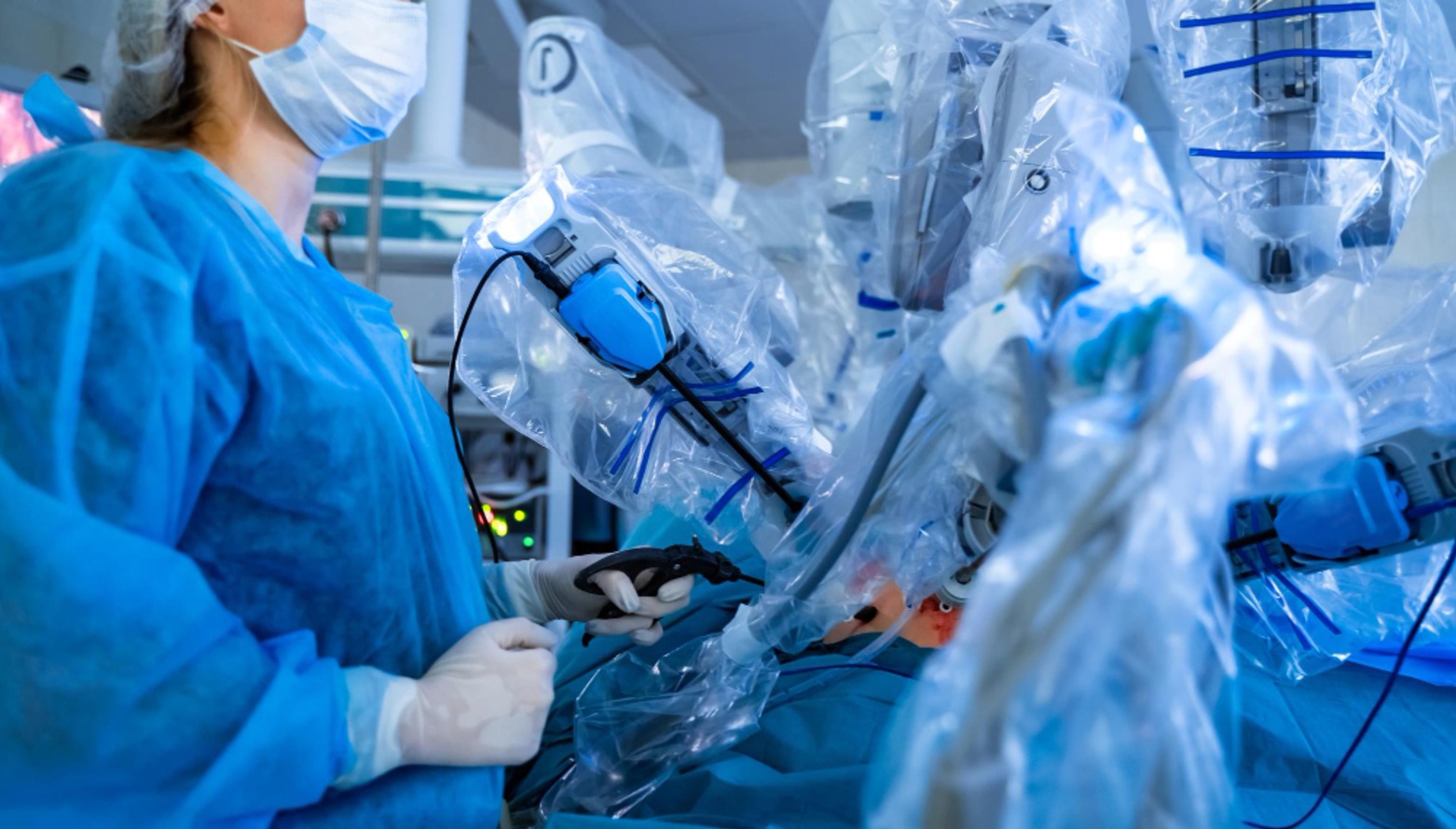
Robotic-assisted surgery is an advanced form of minimally invasive surgery that allows the surgeon to operate using highly specialised robotic instruments controlled from a surgical console. The system provides a magnified three-dimensional view of the surgical area and enables precise movements that can be particularly beneficial during complex procedures.
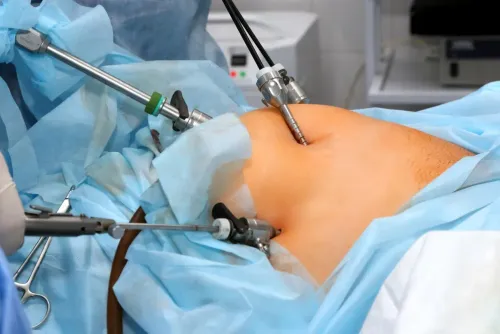
Unlike traditional open surgery, robotic procedures are performed through small incisions, which often results in less tissue trauma and a smoother recovery for many patients.
It is important to remember that the robotic system never makes decisions on its own. Every movement is guided entirely by the surgeon throughout the operation.
Who May Benefit from Robotic Gynaecological Surgery?
Not every patient requires robotic surgery. However, it can be highly beneficial for women with conditions that demand greater precision during surgery.
Your doctor may recommend robotic surgery if you have:
- Large or multiple uterine fibroids
- Severe or deeply infiltrating endometriosis
- Persistent ovarian cysts
- Adenomyosis requiring surgical treatment
- Complex pelvic adhesions
- Abnormal uterine bleeding requiring hysterectomy
- Certain early-stage gynaecological cancers
Each recommendation depends on the patient's diagnosis, medical history, previous surgeries, and overall health.
Situations Where Precision Matters Most
Certain gynaecological conditions involve delicate pelvic structures such as the bladder, bowel, ureters, nerves, and reproductive organs. During surgery, protecting these structures is extremely important.
Robotic technology allows surgeons to:
- Perform delicate tissue dissection with enhanced control
- Improve visibility of difficult-to-reach areas
- Remove diseased tissue more precisely
- Preserve healthy surrounding tissue whenever possible
- Work effectively in patients with previous surgical scarring
Common Robotic Procedures Performed in Gynaecology
Depending on the diagnosis, robotic surgery may be used for several different procedures.
These include:
Robotic Myomectomy
Women wishing to preserve their uterus may undergo robotic removal of fibroids while maintaining healthy uterine tissue whenever possible.
Robotic Hysterectomy
For conditions such as fibroids, adenomyosis, abnormal bleeding, or selected cancers, robotic hysterectomy offers a minimally invasive alternative for many suitable patients.
Robotic Ovarian Cyst Removal
Persistent ovarian cysts that do not respond to conservative treatment may require surgical removal. The robotic approach can help preserve healthy ovarian tissue whenever appropriate.
Robotic Endometriosis Surgery
Advanced endometriosis often requires careful removal of disease from multiple pelvic organs. Robotic surgery provides improved visualisation that supports precise surgical treatment.
What Are the Benefits for Patients?
Although every surgery is unique, many women appreciate the practical advantages associated with robotic-assisted procedures.
Potential benefits include:
- Smaller incisions
- Less postoperative discomfort
- Reduced blood loss
- Lower risk of wound-related complications
- Shorter hospital stay
- Faster recovery
- Earlier return to work and daily activities
- Minimal visible scarring
These benefits can improve both physical recovery and overall patient comfort.
How Do Surgeons Decide If You're a Suitable Candidate?
Choosing robotic surgery involves much more than selecting advanced technology.
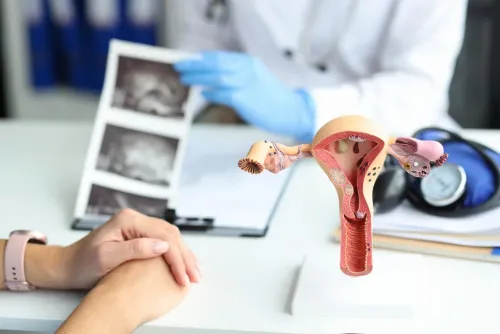
During your consultation, the surgeon will evaluate:
- Your symptoms
- Medical history
- Previous abdominal or pelvic surgeries
- Ultrasound or MRI findings
- Overall physical health
- Future pregnancy plans, if applicable
- Complexity of the condition
Only after reviewing all these factors is a personalised treatment plan developed.
Preparing for Your Consultation
If you're considering robotic surgery, arriving prepared can make your consultation more productive.
Useful questions to ask include:
- Why is robotic surgery being recommended?
- Is laparoscopic or open surgery also an option?
- What are the expected benefits in my case?
- What are the possible risks?
- How long will recovery take?
- Will the surgery affect fertility?
- When can I return to work and normal activities?
Understanding the answers helps patients make informed decisions based on facts rather than assumptions.
Choosing an Advanced Robotic Gynaec Surgeon in Pune
The availability of robotic technology is only one aspect of high-quality surgical care. Equally important are the surgeon's experience, clinical judgement, and ability to recommend the most appropriate treatment for each patient.
Women seeking an Advanced Robotic Gynaec Surgeon in Pune should look for a specialist who takes time to explain the diagnosis, discusses all available treatment options, and creates a personalised surgical plan rather than recommending the same approach for everyone.
With expertise in advanced minimally invasive gynaecological procedures, Dr. Kunaal Shinde focuses on delivering patient-centred care that combines modern surgical technology with careful clinical decision-making. The goal is not simply to perform surgery, but to provide treatment that supports long-term health, quicker recovery, and improved quality of life.