

1. What is gynaec laparoscopic surgery?
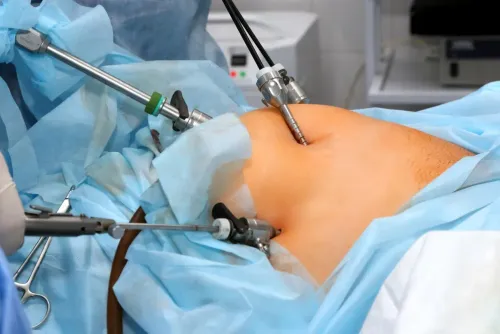
Gynaec laparoscopic surgery is a minimally invasive surgical technique used to diagnose and treat various conditions affecting the uterus, ovaries, fallopian tubes and other pelvic organs. It is commonly known as keyhole surgery because it generally involves small abdominal incisions rather than one large incision.
2. What are the benefits of laparoscopic gynaecological surgery?
Depending on the procedure and the patient's condition, laparoscopic surgery may offer benefits such as smaller incisions, less postoperative discomfort, shorter hospital stays and a faster recovery compared with some conventional open procedures. However, the suitability and expected recovery depend on each patient's medical condition.
3. Which gynaecological conditions can be treated with laparoscopy?
Laparoscopic surgery may be used for several gynaecological conditions, including ovarian cysts, fibroids, endometriosis, infertility-related conditions and conditions requiring removal of the uterus or other pelvic surgery. The appropriate treatment depends on the diagnosis and individual circumstances.
4. What is laparoscopic hysterectomy?
A laparoscopic hysterectomy is a minimally invasive procedure to remove the uterus using laparoscopic surgical techniques. In selected patients, it may be an alternative to traditional open surgery. Your doctor will determine whether laparoscopic hysterectomy is appropriate after evaluating your condition.
5. What is laparoscopic myomectomy?
Laparoscopic myomectomy is a minimally invasive procedure used to remove uterine fibroids while preserving the uterus. It may be considered for women who have symptomatic fibroids and, in selected cases, wish to preserve their reproductive potential.
6. Can laparoscopic surgery help with infertility?
Certain fertility-related conditions can be diagnosed and treated using minimally invasive procedures. Laparoscopy may help address problems such as ovarian cysts, fibroids or blocked fallopian tubes, while hysteroscopy can be used to evaluate and treat abnormalities inside the uterine cavity. Surgery does not guarantee pregnancy, and fertility outcomes depend on several factors.
7. What are fertility-enhancing endoscopic surgeries?
Fertility-enhancing endoscopic surgery includes minimally invasive procedures such as laparoscopy and hysteroscopy that may help diagnose or treat certain conditions affecting fertility. These procedures can be used in appropriately selected patients to address problems involving the pelvis, fallopian tubes, ovaries or uterine cavity.
8. What is tubal recanalisation?
Tubal recanalisation is a procedure intended to restore the passage through previously blocked or surgically interrupted fallopian tubes in selected patients. Whether the procedure is suitable depends on factors such as the location and extent of tubal blockage, previous surgery and overall fertility status.
9. Is laparoscopic surgery suitable for everyone?
No. Laparoscopic surgery is not appropriate for every patient or every condition. Factors such as the diagnosis, previous surgeries, medical history, severity of disease and overall health are considered before recommending a surgical approach.
10. How long does it take to recover after laparoscopic surgery?
Recovery varies according to the type and complexity of surgery, the patient's general health and whether any complications occur. Many minimally invasive procedures allow patients to resume normal activities sooner than some open surgeries, but your surgeon will provide specific postoperative instructions based on your procedure.
11. Is laparoscopic surgery painful?
Some discomfort, abdominal soreness or temporary bloating can occur after laparoscopic surgery. Pain management is provided according to the type of procedure and the patient's individual needs. Your surgeon will explain what to expect during recovery.
12. What is gynaecologic oncology surgery?
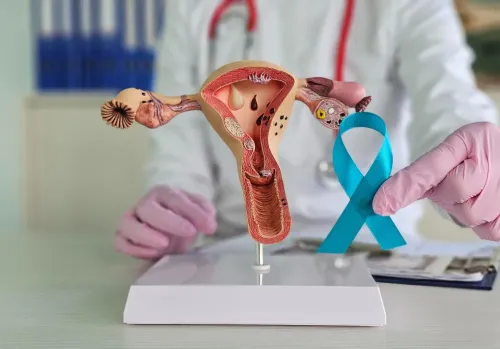
Gynaecologic oncology surgery involves the surgical management of cancers affecting the female reproductive system. These may include cervical, ovarian, uterine, fallopian tube and vulvar cancers. The appropriate treatment depends on the type and stage of cancer and may involve surgery along with other treatments.
13. When should I consult a gynaecological surgeon?
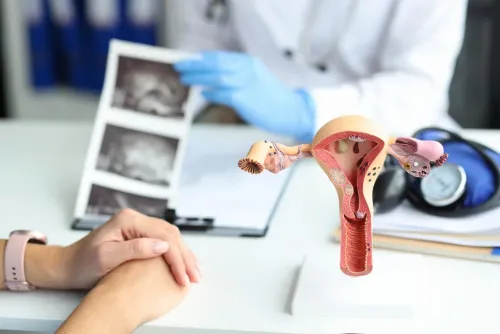
You may consider consulting a gynaecological surgeon if you have been diagnosed with a condition that may require surgery, persistent pelvic symptoms, fibroids, ovarian cysts, endometriosis, fertility-related problems or a condition requiring specialist surgical evaluation.
14. Can I get a second opinion about my gynaecological surgery?
Yes. A second opinion can be helpful if you have received a diagnosis or have been advised to undergo surgery and would like another specialist's assessment. The website also provides an option for patients seeking a trusted second opinion.
15. What should I bring to my gynaecology consultation?
Bring previous medic
August 2023
Sun
Mon
Tue
Wed
Thu
Fri
Sat


