

A diagnosis of gynaecological cancer can bring uncertainty and many questions about treatment options. One of the most important decisions involves choosing the right surgical approach. In recent years, robotic-assisted surgery has become an important advancement in the treatment of selected gynaecological cancers, offering greater precision while maintaining the benefits of minimally invasive surgery. If you're searching for a Gynaec Robotic Onco Surgeon in Pune, understanding how robotic surgery is used in cancer care can help you approach treatment with greater confidence.
Dr. Kunaal Shinde provides advanced robotic surgical care for women with selected gynaecological cancers, focusing on personalised treatment plans that prioritise both cancer control and patient safety. Every surgical recommendation is based on detailed clinical evaluation and current evidence-based practices.
What Is a Gynaecological Oncologist?
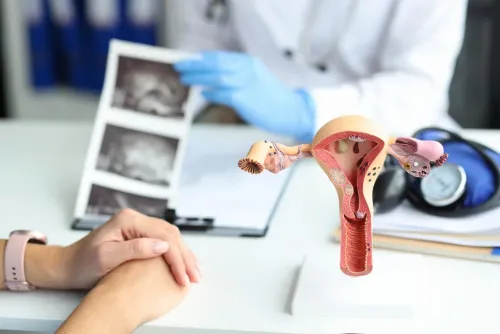
A gynaecological oncologist is a specialist trained in the diagnosis, surgical treatment, and ongoing management of cancers affecting the female reproductive system.
These cancers may involve:
Cervical cancer
Endometrial (uterine) cancer
Ovarian cancer
Vaginal cancer
Vulvar cancer
Depending on the diagnosis and stage of the disease, treatment may include surgery, chemotherapy, radiation therapy, or a combination of these approaches.
What Is Robotic Oncological Surgery?
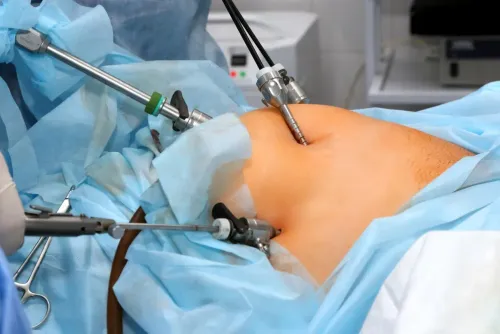
Robotic oncological surgery is a minimally invasive technique used for selected cancer surgeries. The surgeon operates robotic instruments through a specialised console that provides a magnified, three-dimensional view of the surgical field.
The robotic platform enhances surgical precision, particularly when operating around delicate structures such as blood vessels, nerves, the bladder, ureters, and bowel.
It is important to understand that the robotic system never performs the operation independently. Every movement is completely controlled by the surgeon.
Which Gynaecological Cancers Can Be Treated with Robotic Surgery?
Not every cancer can be treated using robotic surgery. The suitability of this approach depends on several factors, including the type of cancer, its stage, tumour size, and the patient's overall health.
Robotic surgery may be considered for selected cases of:
Early-stage cervical cancer
Endometrial cancer
Certain ovarian tumours
Selected vaginal cancers
Some complex pelvic procedures requiring lymph node removal
Your surgeon will determine whether robotic surgery is appropriate after reviewing imaging studies, biopsy reports, and other investigations.
Advantages of Robotic Surgery in Cancer Treatment
One of the main goals of cancer surgery is to remove all diseased tissue while preserving healthy surrounding structures whenever possible.
For carefully selected patients, robotic surgery may offer several advantages:
Smaller surgical incisions
Enhanced precision during tumour removal
Better visualisation of pelvic anatomy
Reduced blood loss
Less postoperative discomfort
Lower risk of wound-related complications
Shorter hospital stay
Faster recovery after surgery
Earlier return to routine activities
These advantages allow many patients to begin additional treatments, such as chemotherapy or radiation, without unnecessary delays when required.
What Happens Before Cancer Surgery?
Treatment planning begins with a comprehensive assessment to understand the exact nature of the disease.
This typically includes:
Detailed medical history
Physical and pelvic examination
Biopsy review
MRI, CT scan, or PET scan when indicated
Blood investigations
Anaesthesia assessment
Discussion within a multidisciplinary cancer team if required
Every patient receives an individualised treatment plan based on the stage and characteristics of the cancer.
Recovery After Robotic Cancer Surgery
Recovery depends on the complexity of the procedure and the patient's overall health.
Many women undergoing robotic surgery experience:
Early mobilisation after surgery
Reduced postoperative discomfort
Smaller scars
Shorter hospital admission compared with open surgery
Gradual return to normal daily activities
Regular follow-up appointments to monitor recovery
If additional cancer treatment is necessary, your surgeon will coordinate care with the oncology team to ensure a seamless treatment pathway.
Questions to Ask Before Choosing a Robotic Onco Surgeon
A cancer diagnosis often leads to many important questions. During your consultation, consider discussing:
What type and stage of cancer do I have?
Is robotic surgery suitable for my condition?
What are the benefits compared to open surgery?
Will lymph nodes need to be removed?
Will I require chemotherapy or radiation after surgery?
What is the expected recovery time?
How often will follow-up visits be needed?
Having these discussions helps patients understand their diagnosis and actively participate in treatment planning.
Choosing a Gynaec Robotic Onco Surgeon in Pune
Successful cancer treatment depends on accurate diagnosis, thoughtful planning, advanced surgical expertise, and coordinated multidisciplinary care. While robotic technology has expanded the possibilities of minimally invasive cancer surgery, the surgeon's experience remains the foundation of safe and effective treatment.
When looking for a Gynaec Robotic Onco Surgeon in Pune, choose a specialist who provides personalised recommendations based on the type and stage of the disease rather than a standard treatment approach. Dr. Kunaal Shinde combines advanced robotic surgical techniques with evidence-based cancer care, ensuring that every patient receives a treatment plan tailored to her individual diagnosis and long-term health goals. By focusing on precision, patient safety, and comprehensive follow-up, the aim is to deliver the highest standard of care throughout every stage of the cancer treatment journey.