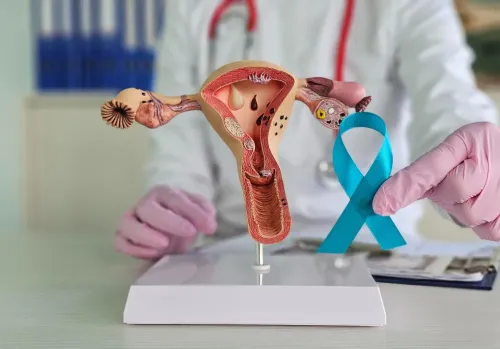


Deep infiltrating endometriosis is a more complex form of endometriosis in which disease extends deeper into pelvic tissues and may involve structures close to the uterus, ovaries, bowel, bladder, ureters or pelvic ligaments.
Because anatomy can become distorted, treatment planning requires more than simply identifying that endometriosis is present. A Deep Infiltrating Endometriosis Surgeon needs to understand where the disease is located and which structures may be involved before determining whether surgery is appropriate.
Symptoms Can Provide Important Clues
Symptoms vary according to disease location.
A patient may experience:
Severe menstrual pain
Persistent pelvic pain
Deep pain during intercourse
Painful bowel movements during periods
Urinary discomfort related to menstruation
Lower back or pelvic pressure
Difficulty conceiving
Some symptoms can overlap with gastrointestinal, urinary or musculoskeletal conditions. A detailed history therefore remains an important part of evaluation.
Imaging Helps Map Complex Disease
Ultrasound performed with attention to endometriosis can identify ovarian endometriomas and may reveal signs of deep pelvic disease.
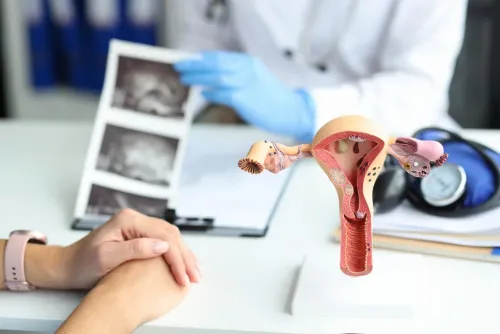
MRI may be recommended when more detailed mapping is needed. It can help evaluate the relationship of suspected endometriotic lesions to pelvic structures and assist with surgical planning.
However, imaging findings must be interpreted alongside symptoms and examination findings. A scan should not be viewed in isolation.
Why Preoperative Mapping Matters
In straightforward gynaecological surgery, the anatomy is generally predictable. Deep endometriosis can change that.
Adhesions may cause the ovaries, uterus or bowel to become attached to surrounding tissues. Disease may develop close to the ureters, which carry urine from the kidneys to the bladder.
Understanding these possibilities before surgery helps the surgical team prepare appropriately.
In selected complex cases, multidisciplinary involvement may be required depending on which organs are affected.
Surgery Is Not Automatically Required
Finding deep endometriosis does not mean every patient should undergo an operation.
Treatment decisions consider:
Severity and frequency of symptoms
Response to previous medical treatment
Fertility plans
Location and extent of disease
Previous operations
Potential surgical benefits and risks
Some patients can continue with medical management and monitoring. Others may require surgical treatment because symptoms remain significant or because disease affects pelvic anatomy or organ function.
Surgical Planning Should Protect Important Structures
When surgery is indicated, the objective is not simply to remove visible lesions as quickly as possible.
Careful dissection may be required around the ureters, bowel, bladder, ovaries and pelvic blood vessels. Preservation of healthy reproductive tissue can also be important for women who want future pregnancies.
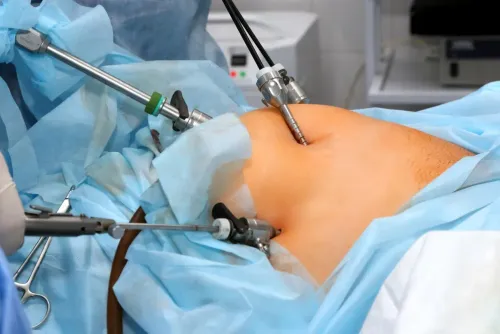
This is why complex endometriosis surgery requires familiarity with advanced pelvic anatomy and minimally invasive surgical techniques.
Questions Worth Asking Before Surgery
Patients considering surgery can ask:
Where is the suspected endometriosis located?
Are my ovaries involved?
Is bowel, bladder or ureteric involvement suspected?
What is surgery expected to improve?
What are the important risks?
Could treatment affect fertility or ovarian reserve?
Is a multidisciplinary team likely to be necessary?
What recovery should I expect?
These questions help turn a general recommendation for surgery into an informed treatment decision.
Dr. Kunaal Shinde assesses complex endometriosis cases in Pune, Maharashtra, with treatment planning based on symptoms, imaging findings, fertility priorities and the anticipated complexity of surgery.
Deep infiltrating endometriosis can be challenging, but careful evaluation before an operation provides a clearer understanding of the disease and allows surgical decisions to be made with appropriate preparation.