

Gynaecological surgery sometimes becomes necessary during a woman's reproductive years. The challenge is that treatment must address the underlying disease while considering the uterus, ovaries, fallopian tubes and future pregnancy plans.
A Fertility Preserving Surgery Specialist approaches surgical decisions with these reproductive priorities in mind whenever preservation is medically appropriate.
This does not mean avoiding necessary treatment. It means designing treatment around both disease control and future fertility.
Which Conditions May Require Fertility-Conscious Surgery?
Fertility-preserving principles may be relevant in conditions such as:
Uterine fibroids
Endometriosis
Ovarian endometriomas
Selected benign ovarian cysts
Pelvic adhesions
Certain congenital uterine abnormalities
Selected early-stage gynaecological cancers
Each condition requires a different strategy.
Preserving the Uterus
For symptomatic fibroids, myomectomy may allow fibroids to be removed while retaining the uterus.
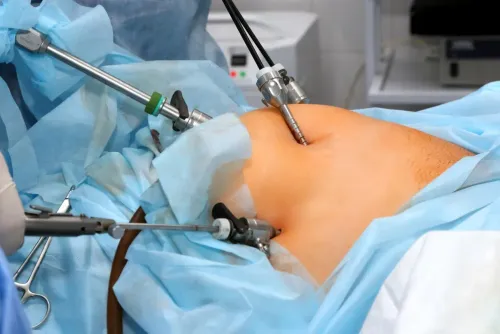
The operation can sometimes be performed hysteroscopically, laparoscopically or robotically, while other cases require open surgery.
Fibroid location, size and number influence both the procedure and future pregnancy considerations.
Protecting Healthy Ovarian Tissue
Ovarian surgery requires particular care because healthy ovarian tissue contains follicles important for reproductive potential.
When treating an endometrioma or benign ovarian cyst, the surgeon may need to balance adequate treatment against unnecessary loss of healthy ovarian tissue.
This becomes especially important when ovarian reserve is already reduced, both ovaries are affected or previous ovarian surgery has been performed.
Endometriosis Creates Additional Decisions
Endometriosis can affect fertility through inflammation, ovarian involvement, adhesions and distortion of normal pelvic anatomy.
Surgery may improve anatomy in selected situations, but surgery itself can also affect ovarian reserve.
For that reason, the decision should consider:
Age
Symptoms
Ovarian reserve
Duration of infertility
Previous operations
Disease distribution
Partner-related fertility factors
Whether assisted reproductive treatment is planned
Sometimes fertility treatment should precede surgery. In other situations, surgery may reasonably come first.
Fertility Preservation Can Extend Beyond Benign Disease
Selected younger patients diagnosed with certain early gynaecological cancers may be candidates for fertility-preserving management.
Eligibility is highly specific and depends on cancer type, stage, pathology and oncological safety.
Cancer control must remain the primary consideration, which makes evaluation by clinicians experienced in both oncological principles and fertility-conscious treatment essential.
Questions to Ask Before Surgery
Women who hope for future pregnancy can ask:
Will this operation affect my uterus?
Could it reduce ovarian reserve?
Are both ovaries healthy?
Is surgery necessary before trying to conceive?
Should I meet a fertility specialist first?
Are fertility preservation methods worth considering?
How long should I wait before attempting pregnancy afterward?
Could the disease recur?
Dr. Kunaal Shinde provides gynaecological surgical assessment in Pune, Maharashtra, including cases where future fertility is an important part of treatment planning.
Fertility-preserving surgery is not a single procedure. It is a decision-making approach that considers how much treatment is necessary, which reproductive structures can safely be retained and how today's surgical choices may affect tomorrow's pregnancy options.