
When your doctor recommends surgery for a gynaecological condition, one of the first questions that may come to mind is whether robotic surgery is a better choice than conventional surgery. While robotic-assisted procedures have become increasingly common in advanced hospitals, they are not simply a technological trend—they represent a significant advancement in minimally invasive surgery for carefully selected patients.
For women exploring Gynaec Robotic Surgery in Pune, understanding the differences between robotic, laparoscopic, and open surgery can help you make a confident and informed decision. Dr. Kunaal Shinde offers robotic-assisted gynaecological procedures for women requiring precise surgical treatment for a wide range of conditions, always recommending the approach that best suits the patient's individual needs.
Understanding the Different Surgical Approaches
There are three primary surgical techniques used in modern gynaecology:
Open Surgery
Open surgery involves making a larger incision in the abdomen to access the uterus, ovaries, or other pelvic organs. Although this approach is still necessary for certain complex medical situations, it generally requires a longer hospital stay and recovery period.
Laparoscopic Surgery
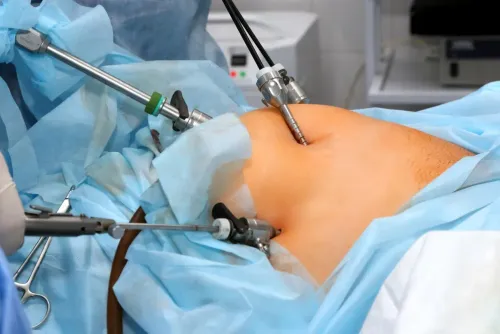
Laparoscopic surgery is a minimally invasive technique performed through small incisions using a camera and specialised instruments. It has become a preferred option for many routine gynaecological procedures because it causes less tissue damage than open surgery.
Robotic-Assisted Surgery
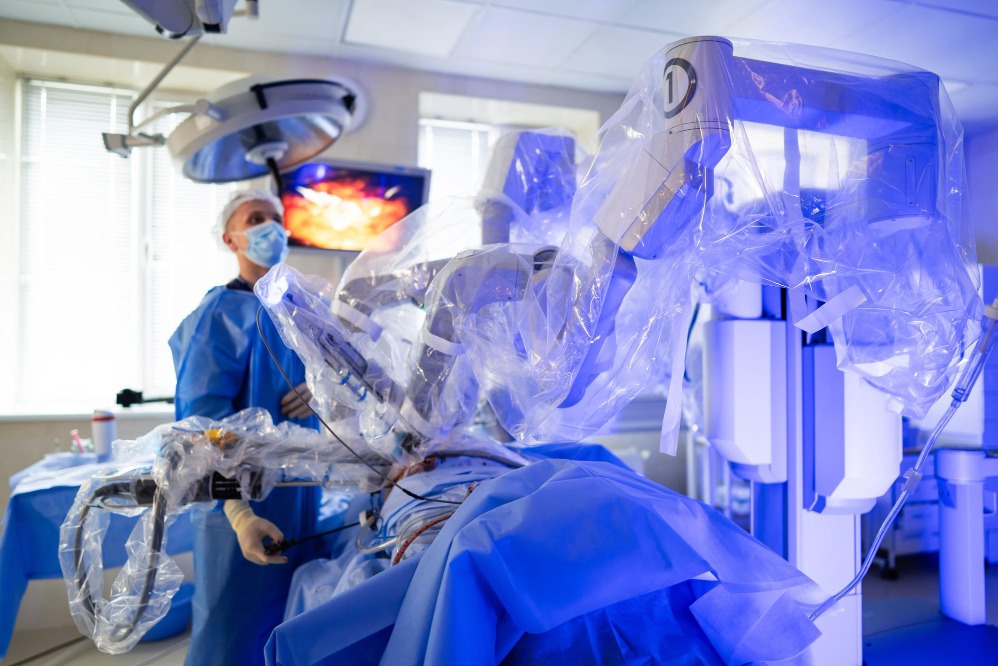
Robotic surgery builds upon laparoscopic surgery by using advanced robotic instruments controlled entirely by the surgeon. The robotic system provides enhanced precision, improved flexibility, and a high-definition three-dimensional view of the surgical field, making it particularly useful for technically demanding procedures.
Why More Women Are Considering Robotic Surgery
Every patient's condition is unique, but robotic-assisted surgery offers several advantages in suitable cases.
Women often choose this approach because it may provide:
- Smaller surgical incisions
- Better surgical precision
- Reduced blood loss during the procedure
- Less postoperative discomfort
- Lower risk of wound-related complications
- Faster recovery compared with traditional open surgery
- Quicker return to daily activities and work
- Minimal visible scarring
These benefits can make a noticeable difference in both the surgical experience and the recovery process.
When Robotic Surgery May Be Recommended
Robotic surgery is particularly beneficial when precision is essential. Your doctor may recommend it for conditions such as:
- Large uterine fibroids
- Severe or deep infiltrating endometriosis
- Ovarian cysts requiring surgical removal
- Complex hysterectomy procedures
- Pelvic adhesions from previous surgeries
- Certain early-stage gynaecological cancers
- Fertility-preserving surgeries in selected patients
The decision is always based on a detailed clinical evaluation rather than choosing technology for its own sake.
Situations Where Traditional Surgery May Still Be the Better Option
Although robotic surgery offers many advantages, it is not suitable for every patient.
Traditional open surgery may still be necessary if:
- The condition involves extensive disease requiring wider surgical access.
- There are medical factors that make minimally invasive surgery unsuitable.
- Emergency surgery is required.
- Certain anatomical or surgical complexities are present.
An experienced surgeon will always recommend the safest and most appropriate option after reviewing your medical history and diagnostic reports.
Does Robotic Surgery Reduce Recovery Time?
One of the biggest reasons patients ask about robotic surgery is the possibility of recovering sooner.
While recovery varies from person to person, many women experience:
- Earlier movement after surgery
- Shorter hospital admission
- Reduced dependence on pain medication
- Faster healing of surgical wounds
- Earlier return to office work and routine activities
Complete recovery still depends on the type of procedure performed, overall health, and following postoperative instructions carefully.
Is Robotic Surgery Safe?
Safety depends on several factors, including the patient's health, the complexity of the condition, and the experience of the surgeon.
Robotic-assisted surgery has been widely adopted across leading medical centres because it allows surgeons to perform delicate procedures with greater control and visual clarity. However, like every surgical procedure, it carries potential risks that should be discussed during your consultation.
These may include:
- Bleeding
- Infection
- Anaesthesia-related risks
- Injury to surrounding organs
- Conversion to open surgery if required for patient safety
A detailed pre-operative assessment helps minimise these risks and ensures that the chosen treatment approach is appropriate.
Questions to Discuss During Your Consultation
Before deciding on surgery, it is helpful to have an open conversation with your specialist.
Consider asking:
- Is robotic surgery suitable for my condition?
- Why are you recommending this approach?
- What alternatives are available?
- Will my fertility be affected?
- How long will I need to stay in the hospital?
- When can I return to work and exercise?
- What results can I realistically expect?
Having these discussions helps patients understand both the benefits and the limitations of each surgical option.
Choosing the Right Specialist for Robotic Gynaec Surgery in Pune
Advanced surgical technology is only one part of successful treatment. The experience, judgement, and expertise of the surgeon remain the most important factors in achieving safe outcomes.
When selecting a specialist, look beyond the availability of robotic equipment. Consider the surgeon's experience in managing complex gynaecological conditions, their approach to patient education, and whether they recommend treatment based on individual needs rather than a one-size-fits-all approach.
For women seeking advanced Gynaec Robotic Surgery in Pune, consulting an experienced specialist like Dr. Kunaal Shinde provides an opportunity to understand all available treatment options. A personalised evaluation ensures that the chosen surgical plan is tailored to your condition, helping you make an informed decision with confidence while prioritising both safety and long-term well-being.