
When surgery becomes the best option for treating a gynaecological condition, choosing the right surgeon is just as important as selecting the right procedure. Advances in medical technology have made robotic-assisted surgery a preferred option for many women because it combines precision with minimally invasive techniques. If you're searching for a Gynaec Robotic Surgeon in Pune, understanding how robotic surgery works and when it is recommended can help you make an informed decision about your treatment.
Dr. Kunaal Shinde offers advanced robotic gynaecological procedures for women dealing with conditions such as fibroids, ovarian cysts, endometriosis, and other complex pelvic disorders. The focus is always on delivering safe, evidence-based treatment that supports quicker recovery and improved patient comfort.
Understanding Robotic Gynaecological Surgery
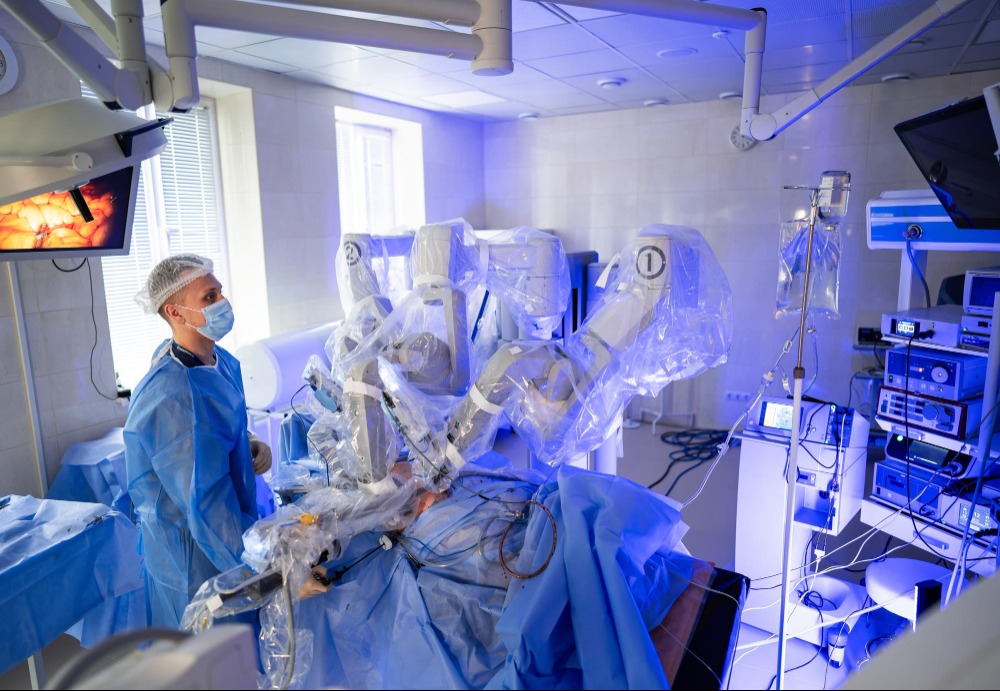
Despite its name, robotic surgery is not performed by a robot independently. The robotic system is a sophisticated surgical tool that is completely controlled by the surgeon throughout the procedure. It allows highly precise movements while providing a magnified, three-dimensional view of the surgical area.
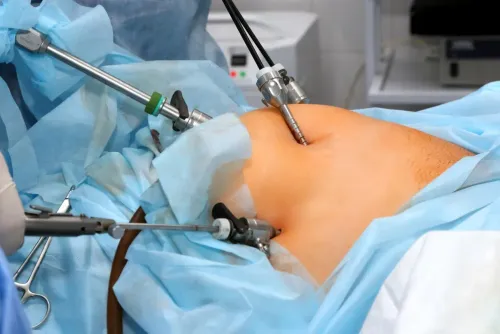
Small incisions are used instead of one large incision, making the procedure minimally invasive. This often results in less disruption to surrounding tissues while allowing the surgeon to perform delicate procedures with exceptional accuracy.
When Is Robotic Surgery Recommended?
Not every gynaecological condition requires robotic surgery, but it can be an excellent option for many women depending on their diagnosis and overall health.
A robotic approach may be considered for:
- Large or multiple uterine fibroids
- Severe endometriosis
- Ovarian cysts that require surgical removal
- Complex hysterectomy procedures
- Certain early-stage gynaecological cancers
- Pelvic adhesions from previous surgeries
- Selected fertility-preserving surgeries
Before recommending surgery, your doctor will carefully evaluate your symptoms, medical history, imaging reports, and treatment goals.
How Is Robotic Surgery Different from Traditional Surgery?
One of the biggest differences is the surgical approach itself. Traditional open surgery generally requires a larger incision, which often leads to increased discomfort and a longer recovery period.
Robotic-assisted surgery, on the other hand, uses several small incisions through which specialised instruments are inserted. The robotic system allows the surgeon to perform complex movements with greater flexibility and precision than standard laparoscopic instruments.
Many patients experience benefits such as:
- Smaller surgical scars
- Reduced blood loss during surgery
- Lower postoperative pain
- Shorter hospital stays
- Faster return to normal daily activities
- Reduced risk of wound-related complications in suitable cases
While these advantages are significant, the most appropriate surgical method always depends on the patient's individual condition rather than the technology alone.
Conditions That Commonly Benefit from Robotic Surgery
Uterine Fibroids
Fibroids can lead to heavy menstrual bleeding, pelvic pain, frequent urination, and fertility concerns. Robotic surgery allows surgeons to remove fibroids with greater precision while preserving healthy uterine tissue whenever possible.
Endometriosis
Endometriosis can spread to different pelvic structures, making surgery technically demanding. The enhanced visualisation offered by robotic systems helps surgeons carefully remove endometrial tissue while protecting nearby organs.
Ovarian Cysts
Persistent, large, or suspicious ovarian cysts sometimes require surgical removal. A minimally invasive robotic procedure can often preserve healthy ovarian function while addressing the problem.
Hysterectomy
Women requiring hysterectomy for conditions such as fibroids, adenomyosis, abnormal bleeding, or certain cancers may benefit from a robotic approach, particularly in more complex surgical cases.
What Happens Before the Procedure?
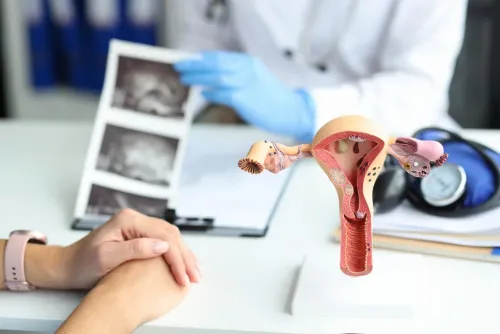
Preparation begins with a detailed consultation. During this appointment, the surgeon reviews your symptoms, previous medical history, imaging reports, and any earlier treatments you may have received.
Additional investigations may include:
- Pelvic ultrasound
- MRI scan when required
- Blood investigations
- Routine pre-operative assessment
- Discussion of available treatment options
This consultation also provides an opportunity to understand the procedure, expected recovery, possible risks, and postoperative care.
Recovery After Robotic Gynaecological Surgery
Recovery varies depending on the type of surgery and the patient's overall health. However, because robotic surgery is minimally invasive, many women are able to recover faster than with traditional open procedures.
Many patients can expect:
- Early mobilisation within a few hours after surgery
- A shorter hospital stay in appropriate cases
- Gradual reduction in discomfort over the first few days
- Return to office-based work within two to three weeks for many procedures
- Progressive return to regular physical activities as advised by the surgeon
Following postoperative instructions, attending follow-up appointments, and allowing adequate healing time all contribute to a smoother recovery.
Questions You Should Ask Before Choosing a Robotic Surgeon
Selecting a surgeon involves more than simply choosing the nearest specialist. Consider discussing important aspects such as:
- Is robotic surgery the most suitable option for my condition?
- What are the expected benefits in my case?
- Are there non-surgical or alternative treatment options?
- What risks should I be aware of?
- How much experience does the surgeon have with robotic gynaecological procedures?
- How long will my recovery take?
These conversations help patients understand their options and make confident treatment decisions.
Choosing the Right Gynaec Robotic Surgeon in Pune
Technology plays an important role in modern healthcare, but successful outcomes ultimately depend on the expertise of the surgeon using it. Experience in managing complex gynaecological conditions, careful surgical planning, and personalised patient care are all essential factors.
For women in Pune seeking advanced minimally invasive treatment, consulting an experienced specialist such as Dr. Kunaal Shinde provides an opportunity to explore whether robotic surgery is the right approach. Every treatment plan should be tailored to the patient's individual condition, ensuring that care is focused not only on successful surgery but also on long-term health, comfort, and quality of life.