

Endometriosis is more than just painful periods. For many women, it is a chronic condition that can affect daily life, fertility, work, and emotional well-being. While medication helps manage symptoms for some patients, others may require surgery to remove endometriosis and restore normal pelvic anatomy. If you're considering Robotic Endometriosis Surgery in Pune, understanding when surgery is recommended and how robotic technology supports treatment can help you make informed decisions about your health.
Dr. Kunaal Shinde offers advanced robotic surgical management for women with complex endometriosis, creating personalised treatment plans based on the severity of the condition, symptoms, and future reproductive goals.
What Is Endometriosis?
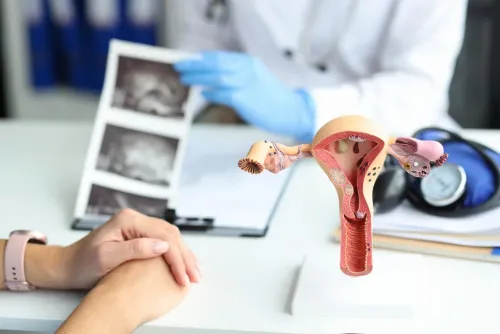
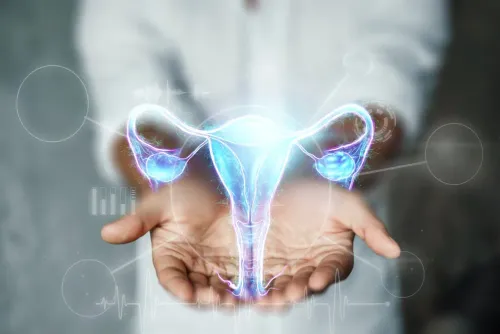
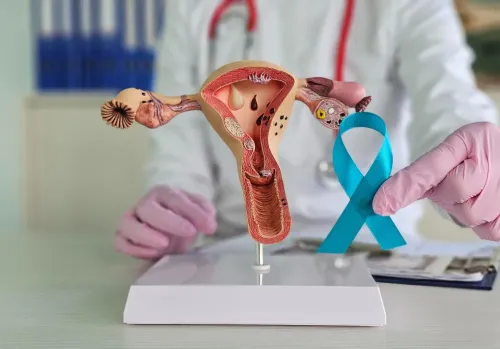
Endometriosis occurs when tissue similar to the lining of the uterus grows outside the uterine cavity. These growths commonly affect the ovaries, fallopian tubes, pelvic lining, bladder, bowel, and surrounding pelvic tissues.
Just like the uterine lining, these tissues respond to hormonal changes during the menstrual cycle, which can lead to inflammation, scarring, adhesions, and chronic pelvic pain over time.
Although endometriosis is common, its symptoms and severity vary greatly from one woman to another.
Common Symptoms of Endometriosis
Many women live with symptoms for years before receiving an accurate diagnosis.
Some of the most common signs include:
Severe menstrual cramps
Chronic pelvic pain
Pain during or after intercourse
Pain while passing urine or stools during menstruation
Heavy menstrual bleeding
Infertility or difficulty conceiving
Fatigue and lower back pain
Bloating, especially during periods
The severity of symptoms does not always reflect the extent of the disease. Even small areas of endometriosis can cause significant discomfort.
When Is Surgery Recommended?
Medication is often the first step in managing endometriosis. However, surgery may become necessary when symptoms continue despite medical treatment or when the disease affects fertility or nearby organs.
Your doctor may recommend surgery if:
Pelvic pain persists despite medication.
Endometriosis has formed ovarian cysts (endometriomas).
Scar tissue is affecting pelvic organs.
Fertility is impacted by the disease.
Imaging suggests deep infiltrating endometriosis.
There is suspicion of bowel or bladder involvement.
The decision is always based on the individual's symptoms, examination findings, and imaging results.
Why Choose Robotic Surgery for Endometriosis?
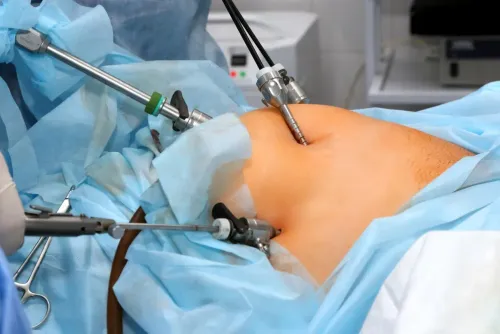
Endometriosis surgery often requires careful dissection around delicate pelvic structures. Robotic-assisted surgery provides greater precision and improved visualisation, making it particularly valuable in complex cases.
The robotic system offers several advantages, including:
Magnified three-dimensional imaging
Better access to difficult pelvic areas
Improved precision during tissue removal
Enhanced flexibility of surgical instruments
Greater protection of surrounding organs whenever possible
These features help surgeons remove endometriosis more accurately while preserving healthy tissue.
Benefits of Robotic Endometriosis Surgery
For women who are suitable candidates, robotic surgery may provide several important benefits.
These include:
Small keyhole incisions
Less postoperative discomfort
Reduced blood loss
Lower risk of wound-related complications
Shorter hospital stay
Faster recovery
Smaller scars
Earlier return to everyday activities
Every patient's recovery is different, but minimally invasive surgery generally supports a quicker return to normal routines compared to traditional open surgery.
Can Surgery Improve Fertility?
One of the most common questions women ask is whether surgery will improve their chances of becoming pregnant.
The answer depends on several factors, including:
The stage of endometriosis
The woman's age
Ovarian reserve
Fallopian tube health
Presence of other fertility concerns
For some women, carefully removing endometriosis and pelvic adhesions may improve natural fertility or enhance the success of assisted reproductive treatments. Your surgeon will discuss realistic expectations based on your individual condition.
Recovery After Robotic Surgery
Recovery following robotic endometriosis surgery is generally smoother than recovery after open surgery.
Many women can expect:
Early walking after surgery
A shorter hospital stay
Gradual improvement in pelvic discomfort
Return to desk-based work within a few weeks
Follow-up appointments to monitor healing
Guidance on resuming exercise and daily activities
Your doctor may also recommend long-term medical management after surgery to help reduce the risk of symptom recurrence.
Questions to Ask During Your Consultation
Before deciding on surgery, consider discussing these important questions:
How severe is my endometriosis?
Is robotic surgery suitable for my condition?
Will all visible endometriosis be removed?
Will surgery affect my fertility?
What are the possible risks?
How long is the expected recovery?
What treatment will I need after surgery?
A thorough discussion ensures that you understand both the benefits and limitations of surgical treatment.
Choosing the Right Specialist for Robotic Endometriosis Surgery in Pune
Endometriosis is a complex condition that requires both surgical expertise and long-term management. Successful treatment involves accurate diagnosis, careful surgical planning, and personalised follow-up care.
When considering Robotic Endometriosis Surgery in Pune, it is important to choose a specialist with experience in advanced minimally invasive procedures and the ability to manage even complex cases involving multiple pelvic organs. Dr. Kunaal Shinde focuses on delivering evidence-based, patient-centred care using advanced robotic techniques whenever appropriate, helping women achieve lasting symptom relief while preserving reproductive health and improving overall quality of life.