
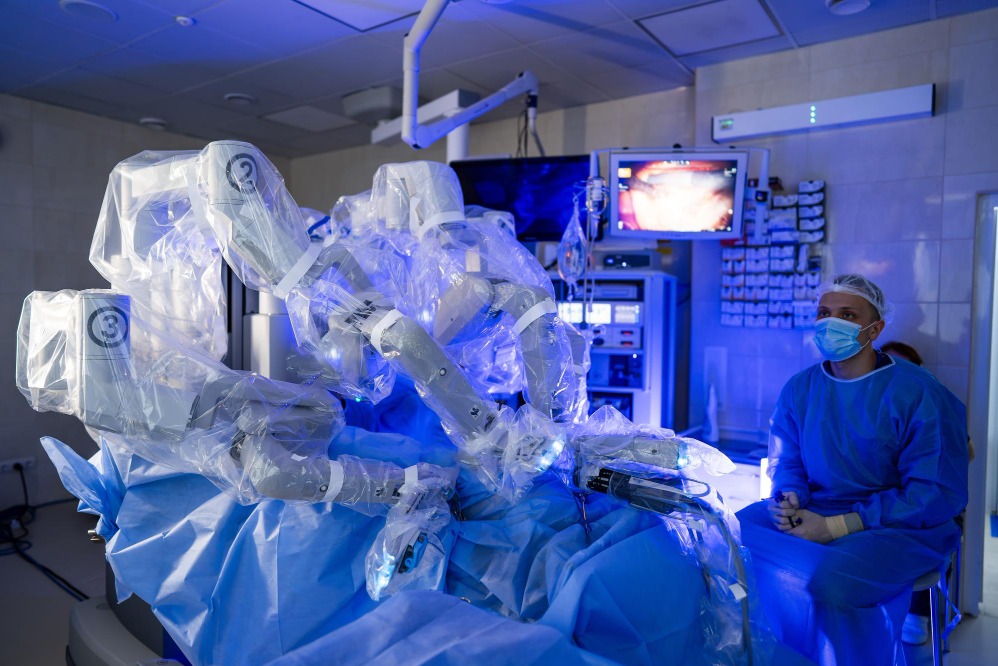
Dr. Kunaal Shinde performs robotic hysterectomy for women with conditions where surgery is considered the most appropriate treatment. Every recommendation is based on a detailed clinical assessment, ensuring that the chosen approach aligns with the patient's health, symptoms, and long-term well-being.
What Is a Robotic Hysterectomy?
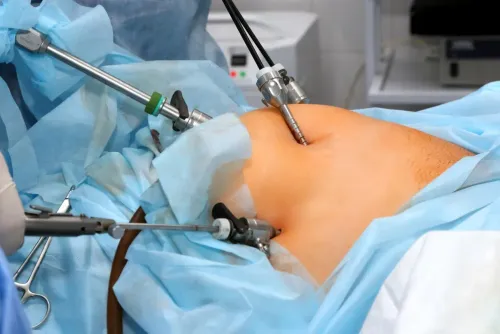
A robotic hysterectomy is a minimally invasive procedure to remove the uterus using a robotic-assisted surgical system. The surgeon operates the robotic instruments through a console, allowing highly precise movements while viewing the surgical area in high-definition and three-dimensional detail.
Although robotic technology assists during the procedure, every surgical step is fully controlled by the surgeon. The robotic system simply enhances precision and visibility, especially during complex operations.
Why Might a Hysterectomy Be Recommended?
A hysterectomy is usually considered only after careful evaluation and when other treatment options are unlikely to provide lasting relief.
Some common reasons include:
Large or multiple uterine fibroids
Persistent heavy menstrual bleeding
Adenomyosis
Chronic pelvic pain
Severe endometriosis
Uterine prolapse in selected cases
Precancerous changes or certain gynaecological cancers
Not every woman with these conditions requires surgery. The decision depends on the severity of symptoms, response to previous treatments, age, and future pregnancy plans.
Is Every Patient Suitable for a Robotic Hysterectomy?
While robotic surgery offers several advantages, it may not be appropriate for everyone.
Your surgeon will assess factors such as:
Overall medical condition
Previous abdominal or pelvic surgeries
Body weight and general fitness
Size of the uterus
Presence of scar tissue or adhesions
Nature of the underlying disease
Imaging findings from ultrasound or MRI
A personalised evaluation ensures that the safest and most effective surgical approach is selected.
Preparing for Surgery
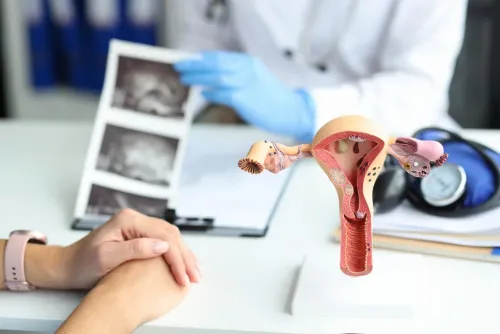
Preparation begins well before the operation itself. During your consultation, your doctor will review your symptoms, medical history, medications, and investigation reports.
You may be advised to undergo:
Blood tests
ECG if required
Chest evaluation when indicated
Pelvic imaging
Anaesthesia assessment
Routine pre-operative fitness evaluation
Your surgeon will also explain the procedure, expected recovery timeline, possible risks, and postoperative instructions so you know what to expect before admission.
What Happens During a Robotic Hysterectomy?
The procedure is performed under general anaesthesia.
Instead of making one large incision, the surgeon creates several small openings in the abdomen through which specialised robotic instruments and a high-definition camera are inserted.
The robotic system provides:
Magnified three-dimensional visualisation
Greater precision during tissue dissection
Improved flexibility of surgical instruments
Better access to difficult pelvic areas
After completing the procedure, the small incisions are carefully closed, helping reduce postoperative discomfort and improve cosmetic healing.
Recovery After Robotic Hysterectomy
One of the reasons many women choose robotic surgery is the possibility of a faster recovery compared to traditional open surgery.
Although recovery varies between individuals, many patients experience:
Early walking within a few hours after surgery
A shorter hospital stay
Reduced postoperative pain
Smaller scars
Earlier return to light daily activities
Faster recovery for office-based work in many cases
Your surgeon will provide personalised advice regarding lifting restrictions, exercise, driving, and returning to work.
It is important not to compare your recovery with someone else's. Healing depends on your overall health, the complexity of surgery, and how closely postoperative instructions are followed.
Questions to Ask Before Choosing a Robotic Hysterectomy Specialist
Before making your decision, consider discussing these important points during your consultation:
Why is a hysterectomy being recommended?
Are there non-surgical alternatives available?
Why is robotic surgery suitable in my case?
Will my ovaries also need to be removed?
What risks should I understand?
How long will recovery take?
When can I return to normal activities?
A clear understanding of these aspects helps patients feel more confident about their treatment plan.
Choosing a Robotic Hysterectomy Specialist in Pune
Successful surgery depends on more than advanced technology. The surgeon's experience, careful planning, and ability to tailor treatment to each patient's condition play a crucial role in achieving the best outcomes.
When choosing a Robotic Hysterectomy Specialist in Pune, look for someone who explains your diagnosis clearly, discusses every available treatment option, and recommends surgery only when it is medically appropriate.
With expertise in minimally invasive gynaecological procedures, Dr. Kunaal Shinde focuses on providing personalised care backed by advanced robotic surgical techniques. Every treatment plan is designed around the patient's individual needs, helping women receive safe, precise, and evidence-based care while supporting a comfortable recovery and long-term health.