

Being diagnosed with uterine fibroids can raise several concerns, especially for women who wish to preserve their uterus or plan a pregnancy in the future. While hysterectomy is one treatment option for certain cases, it is not the only solution. For many women, Robotic Myomectomy in Pune offers a minimally invasive approach that removes fibroids while keeping the uterus intact.
Dr. Kunaal Shinde performs robotic myomectomy for suitable candidates after a detailed clinical assessment. The goal is to relieve symptoms caused by fibroids while preserving reproductive health whenever possible and medically appropriate.
What Is a Robotic Myomectomy?
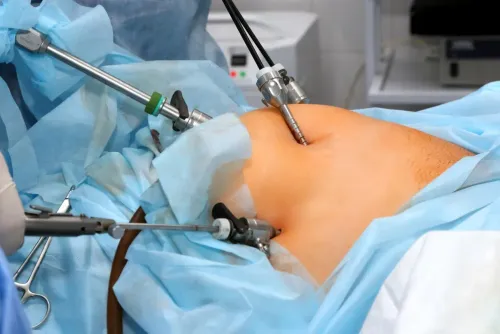
A robotic myomectomy is a minimally invasive surgical procedure used to remove uterine fibroids without removing the uterus. The operation is performed using robotic-assisted technology, which allows the surgeon to operate with enhanced precision through a few small incisions.
The robotic system provides a high-definition, three-dimensional view of the surgical field and enables greater flexibility of surgical instruments. Every movement is fully controlled by the surgeon, making it possible to remove fibroids while carefully repairing the uterus.
For women who wish to maintain fertility or avoid hysterectomy, this approach can be an excellent option when recommended by an experienced specialist.
What Are Uterine Fibroids?
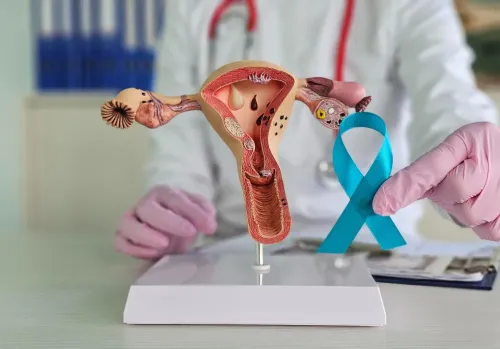
Fibroids are non-cancerous growths that develop within or around the uterus. They are common during the reproductive years, although not every fibroid causes symptoms.
Treatment may become necessary when fibroids lead to:
Heavy or prolonged menstrual bleeding
Pelvic pain or pressure
Frequent urination
Constipation caused by pressure on nearby organs
Pain during intercourse
Difficulty conceiving in selected cases
Recurrent pregnancy loss associated with fibroids
The size, number, and location of the fibroids play an important role in determining the most appropriate treatment.
When Is Robotic Myomectomy Recommended?
Not every fibroid requires surgery. Small fibroids that do not cause symptoms are often monitored through regular follow-up.
Robotic myomectomy may be considered if:
Fibroids are causing troublesome symptoms.
Medication has not provided sufficient relief.
The fibroids are affecting fertility or pregnancy planning.
There are multiple fibroids requiring careful removal.
The patient wishes to preserve the uterus.
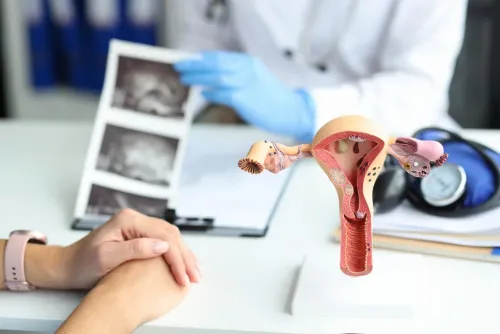
A comprehensive evaluation, including ultrasound or MRI, helps determine whether robotic surgery is the right approach.
Benefits of Robotic Myomectomy
One of the biggest advantages of robotic surgery is its ability to combine minimally invasive techniques with greater surgical precision.
Potential benefits include:
Small incisions
Reduced blood loss during surgery
Less postoperative discomfort
Better visualisation of the uterus
Precise removal of fibroids
Careful reconstruction of the uterine wall
Shorter hospital stay for many patients
Faster recovery compared with open surgery
Smaller scars
Although these benefits are commonly associated with robotic surgery, individual outcomes depend on the patient's condition and the complexity of the procedure.
Will Removing Fibroids Improve Fertility?
Many women worry that fibroids may reduce their chances of conceiving or carrying a pregnancy successfully.
The answer depends on factors such as:
The location of the fibroids
Their size and number
The woman's age
Overall reproductive health
Presence of other fertility-related conditions
Fibroids that distort the uterine cavity or interfere with embryo implantation may affect fertility. In selected patients, removing these fibroids may improve reproductive outcomes. However, every case is different, and fertility expectations should be discussed with your surgeon before planning treatment.
What Happens During Recovery?
Recovery following robotic myomectomy is generally quicker than after traditional open surgery.
Many women experience:
Walking on the same day or the following day
A shorter hospital stay
Gradual improvement in pain over the first few days
Return to light routine activities within a short period
Return to office work within a few weeks, depending on recovery
Progressive return to exercise after medical clearance
Following postoperative advice is essential to allow the uterus to heal properly, particularly for women planning a future pregnancy.
Questions to Discuss Before Surgery
Before deciding on robotic myomectomy, consider asking your specialist:
Is surgery necessary for my fibroids?
Can my uterus be preserved?
Is robotic surgery the best option for my condition?
How many fibroids need to be removed?
Will surgery affect future pregnancy plans?
How long should I wait before trying to conceive?
What should I expect during recovery?
A detailed consultation helps patients understand both the benefits and limitations of surgery while setting realistic expectations.
Choosing the Right Specialist for Robotic Myomectomy in Pune
Successful fibroid treatment is not simply about removing the growths—it is about preserving healthy uterine tissue whenever possible, minimising complications, and supporting long-term reproductive health.
When considering Robotic Myomectomy in Pune, it is important to choose a surgeon with experience in advanced minimally invasive gynaecological procedures and a personalised approach to treatment. Dr. Kunaal Shinde carefully evaluates every patient's condition before recommending surgery, ensuring that the treatment plan aligns with her symptoms, future family planning goals, and overall health. With the right guidance and surgical expertise, many women are able to find lasting relief from fibroid-related symptoms while preserving their uterus and returning to everyday life with greater comfort and confidence.