
Ovarian cysts are a common finding in women of different age groups, and in many cases, they disappear without treatment. However, not every cyst can be managed with observation alone. Some may continue to grow, cause persistent symptoms, or require surgical removal to prevent complications. If you're exploring Robotic Ovarian Cyst Removal in Pune, understanding when surgery becomes necessary and what the procedure involves can help you make an informed decision.
Dr. Kunaal Shinde offers advanced robotic-assisted surgery for women who require ovarian cyst removal. The primary goal is to remove the cyst safely while preserving as much healthy ovarian tissue as possible, especially for women who wish to maintain their fertility.
What Is an Ovarian Cyst?
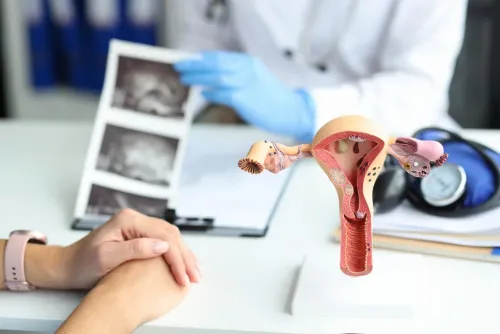
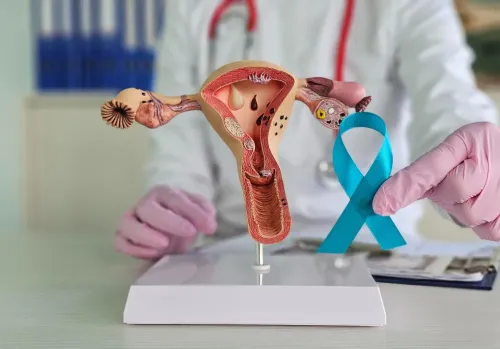
An ovarian cyst is a fluid-filled sac that develops on or inside an ovary. Most ovarian cysts are harmless and form naturally during the menstrual cycle. These functional cysts often resolve on their own within a few weeks or months.
However, certain cysts may become larger, persist over time, or develop features that require closer medical attention.
Common types of ovarian cysts include:
Functional cysts
Dermoid cysts
Endometriomas
Cystadenomas
Haemorrhagic cysts
Each type differs in its cause, appearance, and recommended treatment.
What Symptoms Can Ovarian Cysts Cause?
Many ovarian cysts produce no symptoms and are discovered during a routine pelvic examination or ultrasound.
When symptoms occur, they may include:
Pelvic pain
Lower abdominal discomfort
Bloating or abdominal fullness
Pain during intercourse
Irregular menstrual cycles
Frequent urination due to pressure on the bladder
Difficulty emptying the bowel in larger cysts
Sudden, severe pain may indicate complications such as ovarian torsion or cyst rupture, both of which require immediate medical evaluation.
When Is Surgery Recommended?
Not every ovarian cyst requires surgery. Many small, uncomplicated cysts are managed with observation and follow-up imaging.
Surgery may be recommended when:
The cyst continues to grow.
It causes persistent pain.
Imaging suggests a complex cyst.
There is concern about malignancy.
The cyst has ruptured or caused ovarian torsion.
It remains unchanged after repeated follow-up scans.
The cyst is affecting fertility or nearby organs.
Your doctor will recommend treatment based on your age, symptoms, ultrasound findings, and overall health.
What Is Robotic Ovarian Cyst Removal?
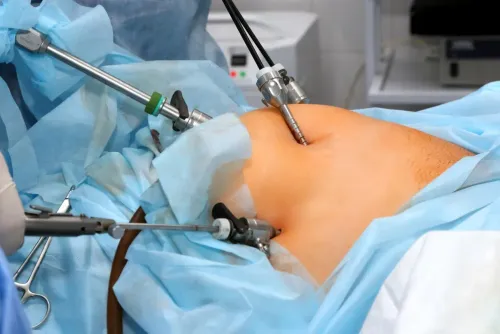
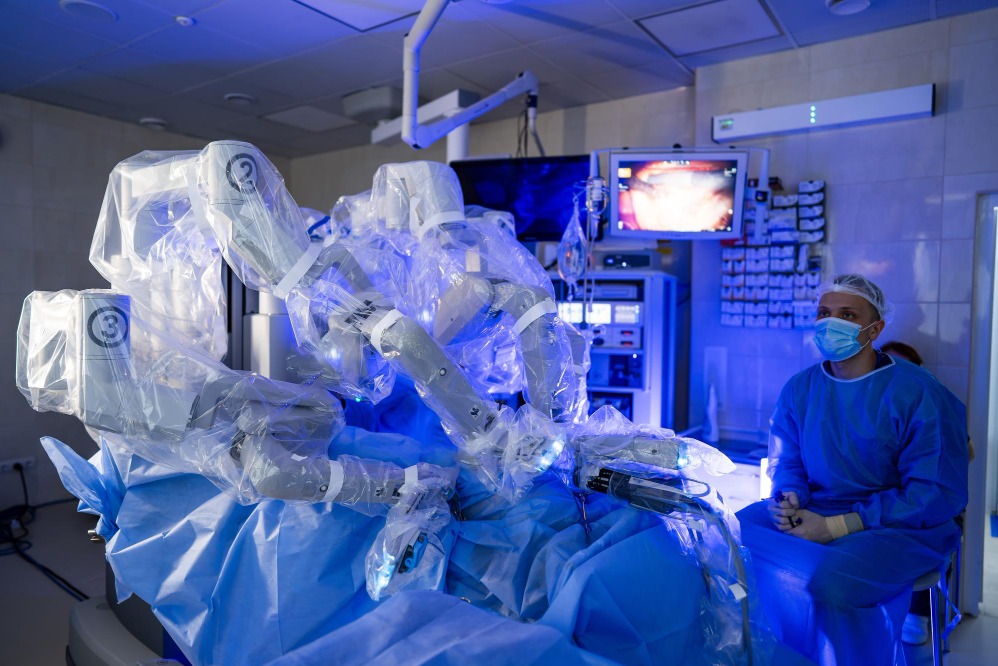
Robotic ovarian cyst removal is a minimally invasive procedure performed through small abdominal incisions using robotic-assisted surgical technology.
The surgeon controls specialised robotic instruments that provide:
Enhanced precision
Excellent visualisation
Improved access to delicate pelvic structures
Greater flexibility during surgery
The robotic system does not replace the surgeon. Instead, it allows highly controlled movements that can be especially valuable when preserving healthy ovarian tissue.
Advantages of the Robotic Approach
For appropriately selected patients, robotic surgery offers several potential benefits.
These may include:
Smaller surgical incisions
Less blood loss
Reduced postoperative discomfort
Better cosmetic healing
Shorter hospital stay
Faster recovery
Greater surgical precision
Improved preservation of healthy ovarian tissue whenever possible
These benefits vary depending on the complexity of the cyst and the patient's overall health.
Can the Ovary Be Preserved?
One of the most common concerns among women is whether surgery will affect fertility.
In many cases, the answer is no.
Whenever medically appropriate, the surgeon removes only the cyst while preserving the healthy ovary. This procedure, known as an ovarian cystectomy, is often preferred for younger women and those planning future pregnancies.
However, if the ovary has been severely damaged or there is suspicion of cancer, a different surgical approach may be necessary. Your surgeon will explain the recommended treatment before the procedure.
What Is Recovery Like?
Recovery after robotic ovarian cyst removal is generally quicker than after traditional open surgery.
Many women can expect:
Walking within a few hours after surgery
A short hospital stay
Mild to moderate discomfort during the initial recovery period
Return to routine daily activities within a short time
Return to office-based work in a few weeks, depending on individual recovery
Your doctor will provide specific advice regarding physical activity, wound care, follow-up visits, and when normal exercise can be resumed.
Questions to Ask Before Surgery
Before proceeding with robotic ovarian cyst removal, it is helpful to discuss:
What type of ovarian cyst do I have?
Is surgery absolutely necessary?
Can the ovary be preserved?
Why is robotic surgery recommended?
What risks should I understand?
Will surgery affect future fertility?
How long will recovery take?
A detailed consultation helps patients understand their condition and participate confidently in treatment decisions.
Choosing the Right Specialist for Robotic Ovarian Cyst Removal in Pune
Managing ovarian cysts requires careful diagnosis, thoughtful treatment planning, and surgical expertise. While robotic-assisted surgery offers excellent precision in suitable cases, the experience of the surgeon remains the most important factor in achieving safe and effective outcomes.
When considering Robotic Ovarian Cyst Removal in Pune, look for a specialist who recommends surgery only when it is genuinely needed and focuses on preserving reproductive health whenever possible. Dr. Kunaal Shinde combines advanced robotic surgical techniques with personalised patient care, ensuring that every treatment plan is tailored to the individual's diagnosis, symptoms, and long-term health goals.