

Hearing that you may need a radical hysterectomy can be overwhelming. It often raises questions about why the procedure is necessary, how it differs from a standard hysterectomy, and whether a minimally invasive approach is possible. For women exploring Robotic Radical Hysterectomy Surgery in Pune, understanding the purpose of this specialised procedure can make treatment decisions less intimidating.
Dr. Kunaal Shinde performs advanced robotic gynaecological procedures for carefully selected patients requiring complex surgical care. Every treatment plan is developed after a thorough evaluation, with patient safety and long-term outcomes remaining the highest priorities.
What Is a Radical Hysterectomy?
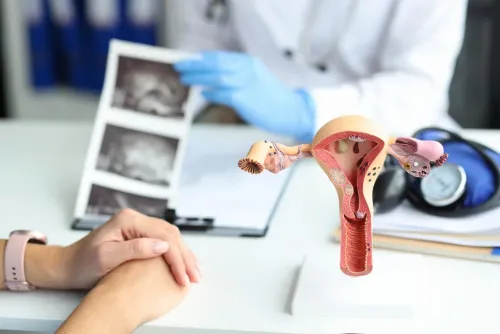
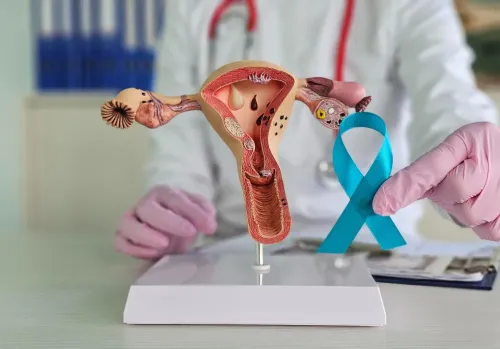
A radical hysterectomy is a specialised surgical procedure that removes the uterus along with surrounding tissues that may be affected by disease. Depending on the patient's diagnosis, the surgery may also involve removal of the cervix, upper portion of the vagina, nearby connective tissues, and pelvic lymph nodes.
This procedure is most commonly recommended for certain early-stage gynaecological cancers, particularly cervical cancer, when surgery offers an appropriate treatment option.
Because the surgery is more extensive than a standard hysterectomy, it requires careful planning and considerable surgical expertise.
When Is a Radical Hysterectomy Recommended?
A radical hysterectomy is not performed for routine gynaecological conditions such as fibroids or heavy menstrual bleeding.
It may be recommended for:
Selected early-stage cervical cancer
Certain uterine cancers
Carefully evaluated cases of vaginal cancer
Other gynaecological malignancies where surgery forms part of the treatment plan
The decision depends on several factors, including the type of cancer, its stage, imaging findings, and the patient's overall health.
Why Is Robotic Surgery Used for This Procedure?
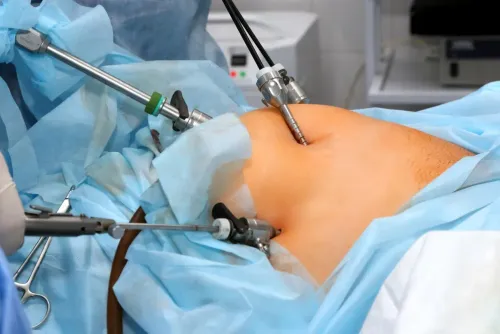
Advances in robotic-assisted surgery have made it possible to perform many complex gynaecological cancer procedures using minimally invasive techniques.
The robotic system provides:
High-definition three-dimensional visualisation
Improved precision around delicate pelvic structures
Greater flexibility of surgical instruments
Better access to narrow spaces within the pelvis
This enhanced control allows surgeons to perform technically demanding procedures while minimising unnecessary tissue trauma whenever possible.
It is important to understand that the robotic system does not replace the surgeon. Every movement is fully controlled by the operating specialist throughout the procedure.
Benefits of Robotic Radical Hysterectomy
For appropriately selected patients, robotic-assisted surgery may offer several advantages compared with traditional open surgery.
Potential benefits include:
Smaller abdominal incisions
Reduced blood loss during surgery
Less postoperative discomfort
Lower risk of wound-related complications
Shorter hospital stay
Faster recovery in suitable patients
Earlier return to normal daily activities
Smaller surgical scars
The exact benefits vary depending on the complexity of the surgery and each patient's medical condition.
What Happens Before Surgery?
Preparation begins with a comprehensive evaluation to determine the most appropriate treatment approach.
This may include:
Detailed physical examination
Pelvic examination
MRI or CT scan
Blood investigations
Biopsy review
Anaesthesia assessment
Routine pre-operative fitness evaluation
In some cases, the treatment plan may also involve input from a multidisciplinary team, including oncologists, radiologists, and pathologists, to ensure the best possible outcome.
What Can Patients Expect During Recovery?
Recovery after robotic radical hysterectomy is generally faster than after traditional open surgery, although it remains a major procedure requiring adequate healing time.
Most patients can expect:
Early mobilisation after surgery
A relatively short hospital stay compared with open procedures
Gradual improvement in pain over several days
Regular follow-up appointments
Temporary activity restrictions during recovery
A personalised rehabilitation plan based on surgical findings
Your surgeon will provide guidance regarding lifting, driving, exercise, work, and follow-up care.
Important Questions to Ask Before Surgery
If your doctor recommends a radical hysterectomy, consider discussing the following:
Why is this surgery necessary?
Is robotic surgery suitable for my condition?
What stage is my cancer?
Will lymph nodes also need to be removed?
What risks are associated with the procedure?
How long will recovery take?
Will additional treatment such as chemotherapy or radiation be required?
These conversations help patients better understand both the procedure and the overall treatment pathway.
The Importance of Choosing an Experienced Surgical Team
Cancer surgery requires more than technical skill. It demands careful planning, accurate staging, multidisciplinary coordination, and personalised patient care.
When looking for Robotic Radical Hysterectomy Surgery in Pune, choosing an experienced surgeon who specialises in advanced minimally invasive gynaecological procedures is essential. A thorough evaluation ensures that surgery is recommended only when it is the most appropriate treatment option.
Dr. Kunaal Shinde combines advanced robotic surgical expertise with evidence-based clinical decision-making to provide personalised care for women requiring complex gynaecological surgery. By focusing on precision, patient safety, and comprehensive treatment planning, the aim is to achieve the best possible surgical outcomes while supporting recovery and long-term health.