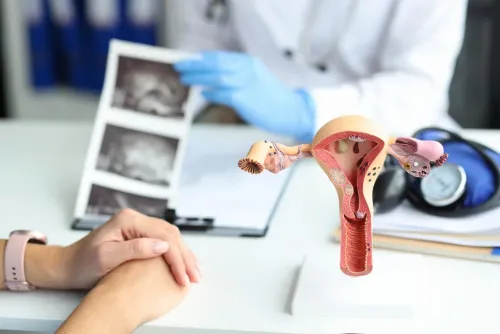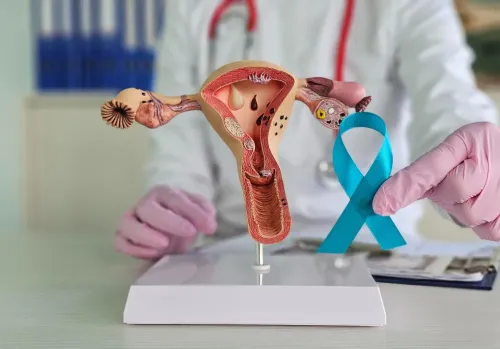


Fibroids are non-cancerous growths arising from the muscular wall of the uterus. They are extremely common, but their effects vary considerably. Some women never experience symptoms, while others develop heavy menstrual bleeding, pelvic pressure, pain, urinary symptoms, anaemia or fertility concerns.
When symptoms become significant, an Uterine Fibroid Surgery Specialist can help determine whether surgery is necessary and, importantly, which operation best fits the patient's goals.
The Same Fibroid Treatment Does Not Suit Everyone
Treatment depends on much more than fibroid size.
Important considerations include:
Number of fibroids
Their location within the uterus
Overall uterine size
Severity of bleeding or pressure symptoms
Age
Fertility plans
Previous treatments
Previous pelvic surgery
A woman hoping to become pregnant may require a very different strategy from someone who has completed her family and has multiple symptomatic fibroids.
Myomectomy Preserves the Uterus
Myomectomy removes fibroids while retaining the uterus.
It may be considered for women who want uterine preservation, particularly when future pregnancy remains important.
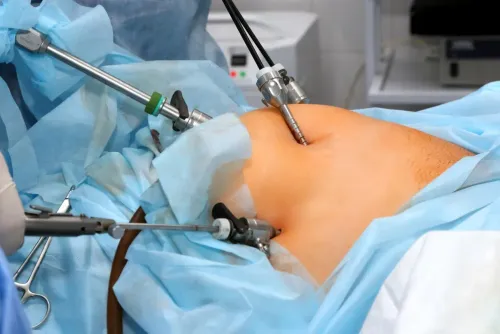
Depending on fibroid size and location, myomectomy may be performed hysteroscopically, laparoscopically, robotically or through open abdominal surgery.
The most appropriate route is determined by individual anatomy rather than patient preference alone.
Hysterectomy Provides Definitive Uterine Treatment
Hysterectomy involves removing the uterus and may be considered when symptoms are substantial, childbearing is complete and uterine preservation is no longer required.
It eliminates recurrence of uterine fibroids because the uterus itself is removed.
However, hysterectomy is a major treatment decision and should follow a discussion about alternatives, surgical route and whether the ovaries need any treatment.
Removing the uterus does not automatically mean removing healthy ovaries.
How Minimally Invasive Options Compare
Laparoscopic and robotic techniques can be useful for selected patients.
Compared with traditional open surgery, minimally invasive approaches generally use smaller abdominal incisions. Depending on the procedure and patient, this can support earlier mobilization and a shorter recovery.
Open surgery may nevertheless remain appropriate for certain very large, numerous or technically challenging fibroids.
A good surgical recommendation should explain why a particular route is suitable rather than simply promoting one technology.
What About Non-Surgical Treatment?
Not every symptomatic fibroid requires an operation.
Depending on symptoms and circumstances, management can include observation, medicines to control bleeding or other uterus-directed treatment options.
Surgery becomes more relevant when symptoms are significant, conservative treatment has not provided adequate control, fertility is affected in a clinically relevant way, or the fibroid characteristics warrant intervention.
Making a Better Treatment Decision
Women evaluating fibroid surgery should ask:
Which fibroid is causing my symptoms?
Do I need surgery now?
Can my uterus be preserved?
What procedure is most suitable?
Is minimally invasive surgery feasible?
How could treatment affect pregnancy?
What is the possibility of fibroids recurring after myomectomy?
What recovery should I realistically expect?
In Pune, Maharashtra, Dr. Kunaal Shinde assesses fibroid treatment according to symptoms, imaging findings, reproductive priorities and surgical complexity.
The central question is not simply whether fibroids are present. It is whether they are causing a problem that warrants treatment and which option provides an appropriate balance between symptom relief, reproductive goals and surgical risk.