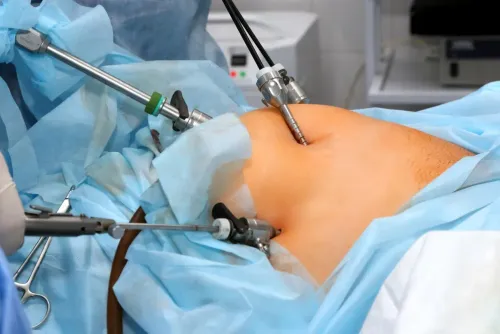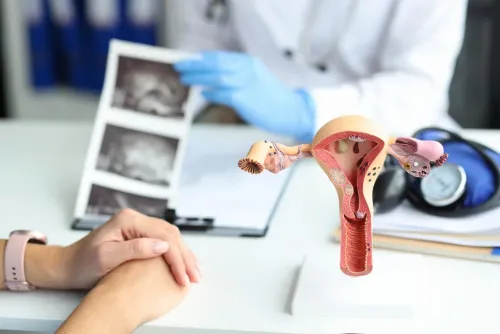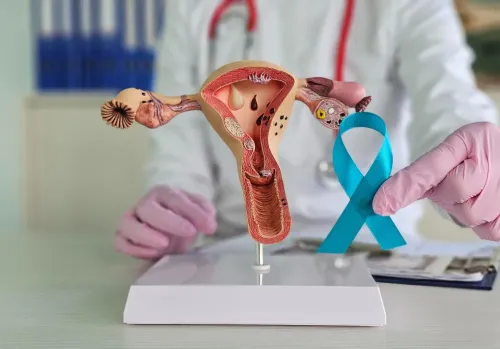


Hysterectomy is an operation to remove the uterus. When performed laparoscopically, the procedure is carried out using a camera and specialised instruments introduced through small abdominal incisions.
Choosing a Total Laparoscopic Hysterectomy Surgeon involves more than asking whether the procedure can be performed through keyhole surgery. Patients should understand why hysterectomy is recommended, whether alternatives remain appropriate and how the surgeon approaches potentially difficult anatomy.
First Confirm Why Hysterectomy Is Needed
Hysterectomy may be considered for conditions including:
Symptomatic uterine fibroids
Adenomyosis
Persistent abnormal uterine bleeding
Certain cases of endometriosis
Uterine or cervical disease
Selected precancerous or cancerous conditions
Other problems that have not responded adequately to conservative treatment
The diagnosis determines whether hysterectomy is appropriate and whether additional procedures are required.
Ask Whether Alternatives Have Been Considered
For some conditions, alternatives may include medicines, hormonal treatment or uterus-preserving surgery.
These alternatives are not suitable for every patient, but discussing them helps ensure that hysterectomy is an informed decision.
This is particularly important for younger women and anyone who has not completed reproductive planning.
Total Hysterectomy Does Not Necessarily Mean Ovary Removal
This is a common source of confusion.
A total hysterectomy generally refers to removal of the uterus and cervix. The ovaries are separate organs.
Whether ovaries should be preserved depends on factors such as age, ovarian health, disease risk and the underlying diagnosis.
Patients should specifically ask what structures are expected to be removed.
Experience With Difficult Anatomy Matters
Some laparoscopic hysterectomies are relatively straightforward. Others become technically demanding because of:
Previous caesarean sections
Previous abdominal surgery
Large fibroids
Endometriosis
Severe adhesions
Enlarged uterus
Distorted pelvic anatomy
Associated ovarian disease
A surgeon evaluating these factors before surgery can better discuss whether laparoscopy remains appropriate.
Understand Possible Conversion to Open Surgery
Minimally invasive surgery may be planned, but patient safety remains the priority.
Occasionally, unexpected bleeding, extensive adhesions or other findings may make conversion to open surgery necessary.
Patients should understand this possibility even when the likelihood is considered low.
Evaluate Communication as Well as Technique
Before surgery, you should receive understandable information about:
The diagnosis
Why hysterectomy is being advised
Alternatives
Expected surgical route
Whether ovaries are being preserved
Relevant risks
Expected hospital stay
Recovery
Follow-up
Good surgical counselling should allow enough space for questions rather than focusing only on scheduling the procedure.
What Does Recovery Involve?
Recovery varies with surgical complexity, individual health and whether additional procedures are performed.
Walking usually begins early after surgery, while strenuous activity and heavy lifting are restricted for a period determined by the treating surgeon. Returning to work depends partly on the nature of the job.
Women searching for laparoscopic hysterectomy care in Pune, Maharashtra, can consult Dr. Kunaal Shinde for assessment of both routine and more complex gynaecological surgical conditions.
Selecting a surgeon should ultimately be based on appropriate diagnosis, experience with the required procedure, transparent counselling and the ability to adapt the surgical plan safely when anatomy proves more challenging than expected.