

Many gynaecological procedures are performed routinely, but certain conditions become considerably more challenging because of disease extent, altered anatomy, previous operations or involvement of nearby organs.
A Complex Gynecological Surgery Specialist is generally involved when surgery requires advanced pelvic dissection, careful management of distorted anatomy or a treatment plan extending beyond a straightforward procedure.
Understanding what makes a case complex can help patients ask better questions before deciding on treatment.
Previous Surgery Can Change Pelvic Anatomy
Prior caesarean sections, hysterectomy-related procedures, myomectomy, endometriosis surgery or other abdominal operations can lead to scar tissue known as adhesions.
Adhesions may cause organs that normally move independently to become attached.
For example, the bladder can become closely adherent to the uterus after previous caesarean deliveries. Bowel loops may also become attached to pelvic structures after earlier operations or inflammation.
This can make subsequent surgery more technically demanding.
Certain Conditions Are Naturally More Complex
Complexity can also arise from the disease itself.
Examples include:
Deep infiltrating endometriosis
Very large or multiple fibroids
Severe pelvic adhesions
Large ovarian masses
Suspicion of gynaecological cancer
Disease involving the bowel or urinary tract
Previous unsuccessful surgery
Distorted pelvic anatomy
Multiple simultaneous pelvic conditions
Not every patient with these conditions requires extensive surgery, but detailed assessment becomes especially important.
Why Preoperative Planning Matters
Before complex surgery, imaging can help clarify anatomy.
Ultrasound may provide important information about the uterus and ovaries. MRI or other investigations can be considered when additional anatomical detail is required.
The surgeon also needs to review previous operative records where available, medical conditions, fertility plans and the patient's goals for treatment.
Planning can influence the surgical route, anticipated operating time, requirement for additional expertise and postoperative care.
Minimally Invasive Surgery May Still Be Possible
Patients sometimes assume that a complex condition automatically requires a large abdominal incision.
That is not always the case.
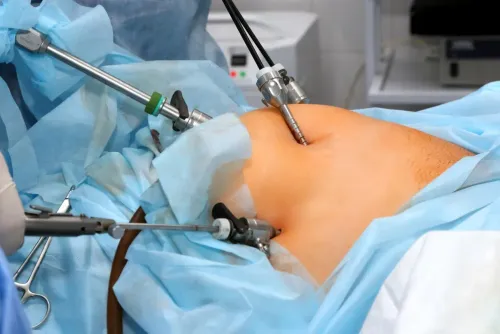
Advanced laparoscopy and robotic surgery can allow selected complex procedures to be performed through small incisions. Potential advantages of minimally invasive surgery may include reduced incision-related discomfort, shorter hospitalization and earlier return to routine activities in appropriately selected patients.
However, the safest surgical approach should take priority over incision size.
Multidisciplinary Care May Be Appropriate
If disease is suspected to involve structures such as the bowel, bladder or ureters, additional specialists may sometimes be involved.
The need for multidisciplinary care depends on the anticipated findings and the nature of the procedure.
Patients should know before surgery when reasonably possible whether additional surgical expertise may be required.
What Should Patients Ask?
Useful questions include:
Why is my surgery considered complex?
Which organs or structures may be involved?
Can minimally invasive surgery be considered?
Could previous surgery affect the procedure?
What complications are particularly relevant?
Is fertility preservation important in my case?
Could another specialist be needed?
What might cause the surgical plan to change?
Dr. Kunaal Shinde manages women requiring advanced gynaecological surgical assessment in Pune, Maharashtra. The approach to complex cases is based on disease characteristics, imaging, surgical history and individual treatment priorities.
Complex surgery is not defined simply by the name of a procedure. It reflects the anatomy, disease burden and technical requirements unique to each patient, making careful planning one of the most important parts of treatment.