

Endometriosis can affect much more than menstrual comfort. For some women, it causes persistent pelvic pain, painful periods, discomfort during intercourse, bowel or bladder symptoms, or difficulty conceiving. For others, symptoms may remain relatively mild even when the disease is more extensive.
An Endometriosis Treatment Specialist evaluates these symptoms together rather than relying on one symptom or scan finding alone. The aim is to understand where the disease may be located, how significantly it affects daily life, and whether medical treatment, fertility planning, surgery, or continued observation is appropriate.
For women in Pune, Maharashtra, seeking specialist evaluation can be particularly relevant when symptoms continue despite initial treatment or when imaging suggests ovarian or deep pelvic endometriosis.
Signs That Deserve Specialist Assessment
Endometriosis should be considered when symptoms repeatedly interfere with work, sleep, relationships, exercise, or everyday activities.
Common reasons for seeking further assessment include:
Severe or progressively worsening menstrual pain
Chronic pelvic or lower abdominal pain
Pain during or after intercourse
Pain while passing urine or stool during periods
Persistent bloating associated with the menstrual cycle
Difficulty becoming pregnant
Ovarian cysts suspected to be endometriomas
Symptoms returning despite previous treatment
Symptoms alone cannot determine the extent of endometriosis. Some women with extensive disease experience moderate discomfort, while others with relatively limited disease may experience considerable pain.
How Endometriosis Is Evaluated
Assessment usually begins with a detailed history. The pattern and timing of pain, previous pregnancies, fertility plans, earlier treatments and surgeries all provide useful information.
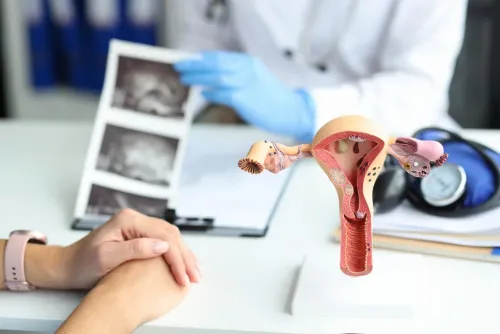
A pelvic examination may be recommended depending on the patient's circumstances. Ultrasound is commonly used to evaluate the uterus and ovaries and may identify endometriomas or other pelvic abnormalities.
In selected cases, MRI can provide additional information about deep disease and the relationship between endometriotic lesions and surrounding structures.
The findings help determine whether conservative management is reasonable or whether surgical assessment should be considered.
Does Every Patient Need Surgery?
No. Endometriosis treatment is individualized.
Medical treatment can help control symptoms in many patients. Hormonal medicines may reduce endometriosis-related pain, particularly when pregnancy is not currently planned.
Surgery may become relevant when there is:
Persistent pain despite appropriate treatment
A significant ovarian endometrioma
Deep infiltrating disease
Distortion of pelvic anatomy
Concern about involvement of nearby organs
A fertility-related reason for intervention
Diagnostic uncertainty requiring further assessment
The potential benefit of surgery must always be considered alongside risks, fertility goals and the possibility of recurrence.
Why Fertility Plans Matter
Endometriosis and fertility are closely connected, but the relationship differs between patients.
Repeated ovarian surgery, for example, may affect healthy ovarian tissue and ovarian reserve. Therefore, decisions involving ovarian endometriosis should consider age, ovarian reserve, previous surgery and future pregnancy plans.
For someone actively trying to conceive, treatment planning may also involve coordination between the gynaecological surgeon and fertility specialist.
What Specialist Treatment Planning Looks Like
An experienced specialist should explain what is known about the disease, what remains uncertain and what each treatment option is intended to achieve.
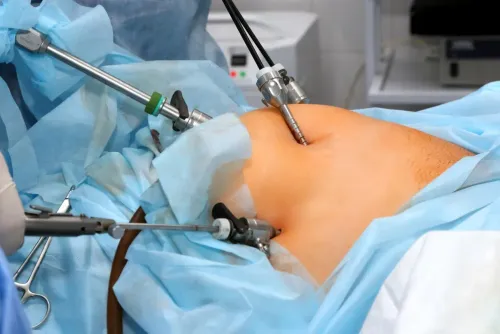
Dr. Kunaal Shinde evaluates women with suspected or established endometriosis with attention to symptoms, imaging, previous treatment and reproductive goals. Where minimally invasive surgery is considered, the surgical plan depends on the location and complexity of disease rather than a one-size-fits-all approach.
Women in Pune and surrounding parts of Maharashtra who experience persistent endometriosis-related symptoms can benefit from an assessment that considers both immediate symptom control and long-term reproductive and pelvic health.
The most appropriate time to seek specialist advice is not determined by pain severity alone. Persistent symptoms, fertility concerns, ovarian endometriomas, deep disease or uncertainty about treatment are all reasonable reasons for a more detailed evaluation.