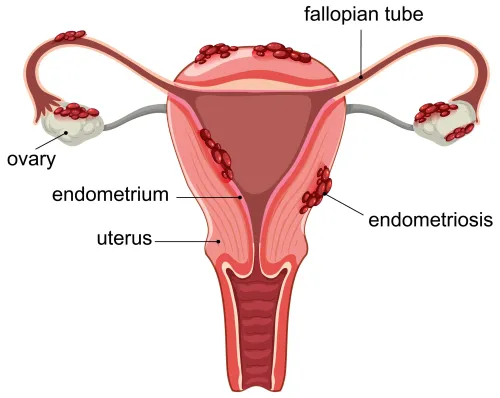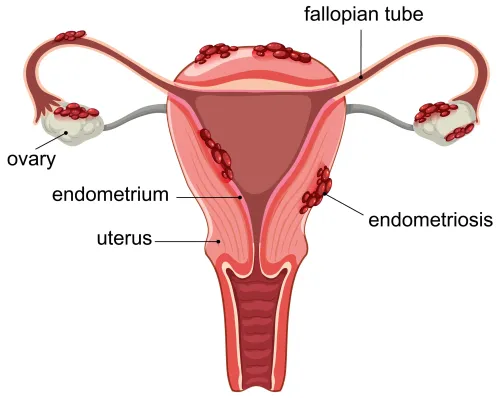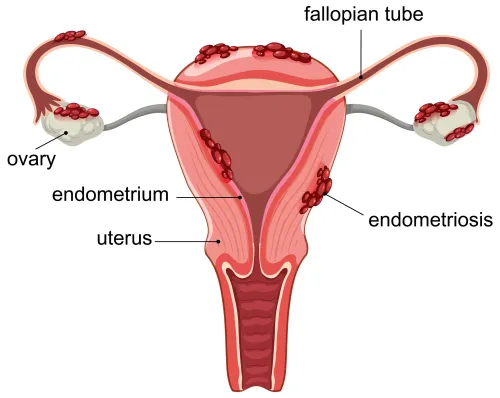

Choosing surgery for endometriosis requires more than confirming that lesions exist: you need to weigh pain, age, ovarian reserve, tubal status, semen analysis and the time available for conception. By the end, you will know which tests and surgical details to discuss, when surgery fits before conception or IVF, and how to compare an endometriosis surgeon in Pune without treating the word “expert” as a guarantee.
Key takeaways
- Balance pain relief and fertility goals against ovarian and operative risks.
- Ask how surgery could affect ovarian reserve before consenting.
- Compare laparoscopy findings, surgical technique and fertility follow-up plans.
- Choose surgery timing based on symptoms, anatomy, age and conception plans.
How to decide whether endometriosis surgery fits your fertility plan
Surgery fits a fertility plan when pain, anatomical disease or infertility findings show a likely benefit that outweighs ovarian and operative risks. Pelvic pain, painful intercourse, bowel or bladder symptoms, infertility duration, age and plans for immediate pregnancy all matter.
Assess ovulation, tubal patency, semen analysis and ovarian reserve rather than attributing infertility automatically to endometriosis.
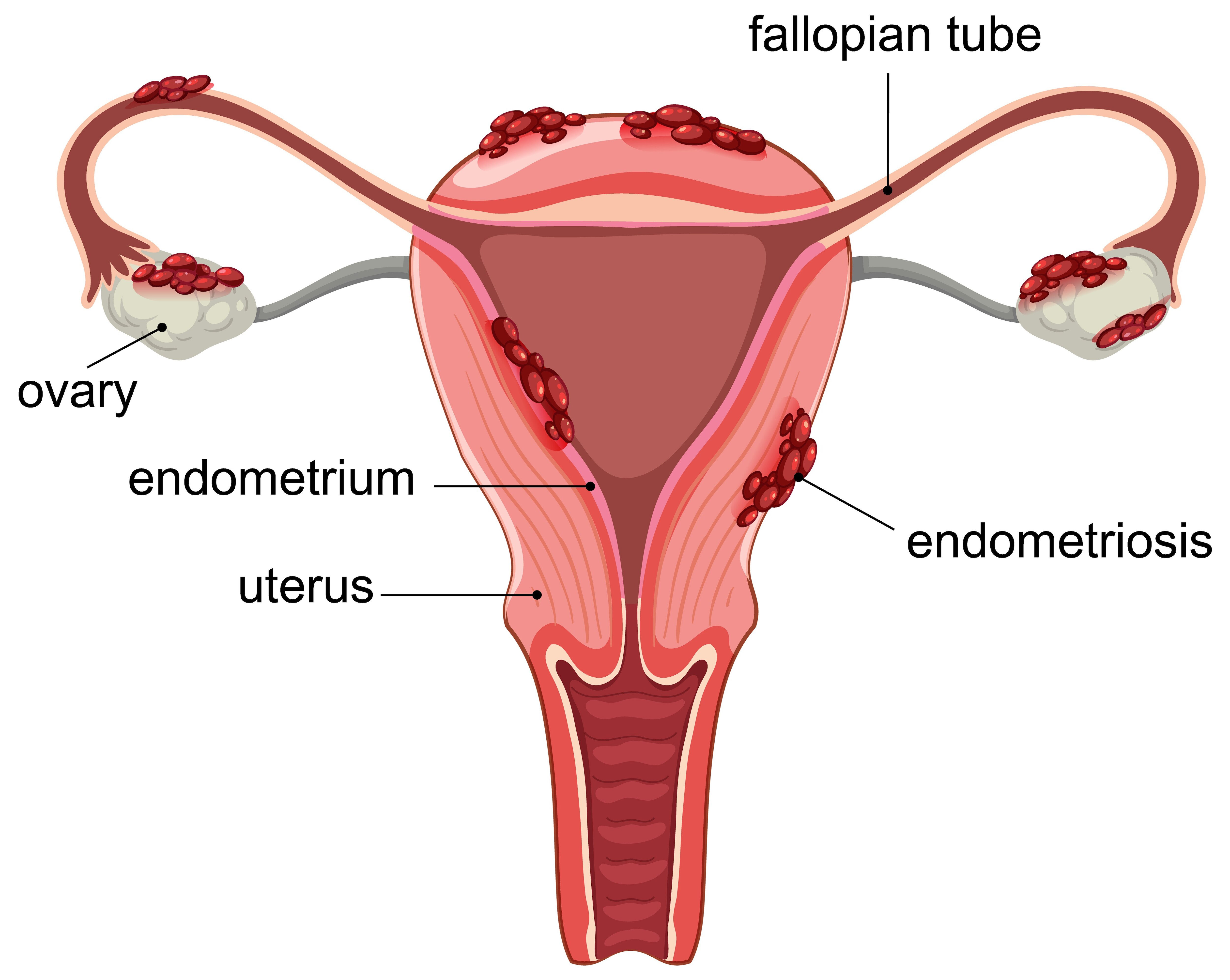
- A normal pelvic examination or standard ultrasound does not exclude endometriosis. Specialist transvaginal ultrasound or MRI can map an endometrioma and deep disease, but neither detects every superficial lesion.
- Consider endometriosis fertility surgery for selected stage I or II disease when you are trying now, tubes are open, ovulation and semen analysis are reassuring, and pain or adhesions are significant.
- An endometrioma’s size, ovarian location, bilateral involvement, rapid change and access to follicles affect the decision. Previous ovarian operations increase the risk of losing healthy ovarian tissue.
- Low ovarian reserve, severe bilateral disease, older age, a major semen or tubal problem, limited symptoms, or an IVF pathway where surgery adds little fertility benefit favour medication, timed conception, IUI or IVF instead.
- If pregnancy is delayed, hormonal suppression can control pain but prevents conception while used. Discuss egg or embryo freezing before surgery when disease is recurrent, extensive or likely to require another ovarian operation.
| Option | Usually favours | Main concern |
|---|---|---|
| Try conceiving | Mild symptoms, open tubes, ovulation and reassuring semen | Do not lose time with advancing age or prolonged infertility |
| Surgery | Treatable lesions, pain, adhesions or blocked anatomy | Ovarian reserve and prior operations |
| IVF/ICSI | Low reserve, severe disease or another clear infertility factor | Routine endometrioma removal does not improve live-birth rates; an endometriosis expert Pune patients consult should individualise the plan. |
What laparoscopic endometriosis surgery actually involves
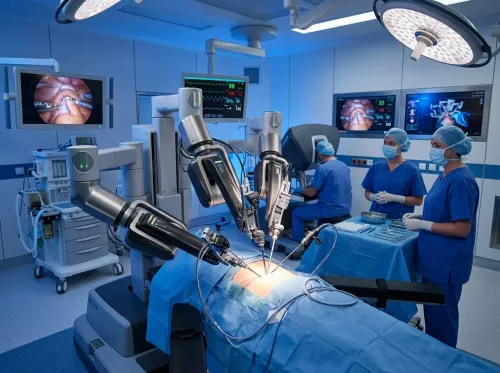
Diagnostic laparoscopy inspects the pelvis and maps visible disease; it does not automatically treat it. Operative laparoscopic fertility surgery uses the same access to remove or destroy disease during the same anaesthetic, if you have consented to the possible procedures.
| Option | What happens | Main trade-off |
|---|---|---|
| Diagnostic laparoscopy | Inspects the peritoneum, ovaries, tubes and pelvic organs; photographs and maps lesions | Provides information, but pain and adhesions remain |
| Excision | Cuts out superficial or deep lesions for tissue assessment | May treat deeper disease and pain, but can injure nearby organs |
| Ablation | Destroys the lesion surface with energy | Can treat selected superficial disease, but thermal injury must be tightly controlled |
| Adhesiolysis or endometrioma surgery | Separates scar tissue; observes, drains, ablates or excises an ovarian cyst | Restores anatomy, yet ovarian tissue and reserve can be lost |
One operation may combine adhesiolysis, excision of superficial or deep lesions and ovarian endometrioma treatment. Excision and ablation are not interchangeable: excision removes visible disease and provides tissue for assessment, while ablation destroys only the treated surface. Incomplete treatment can leave pain or recurrence; excessive dissection can damage healthy ovary.
The plan changes when disease reaches the bowel, bladder or ureter. Discuss ureterolysis, bladder surgery, bowel repair or resection, a temporary stoma in selected cases and conversion to open surgery. Deep disease requires coordinated colorectal and urological expertise.
The right choice depends on pain relief, recurrence risk, pelvic anatomy and ovarian tissue—not a single technique for everyone.
How to protect ovarian reserve before and during surgery
Protect ovarian reserve by measuring it before surgery and agreeing on how much ovarian tissue the operation may sacrifice. AMH and antral follicle count estimate likely response to fertility medication; they do not measure egg quality or guarantee natural conception.
Add ovarian ultrasound, tubal-patency testing and semen analysis, because infertility should not automatically be attributed to endometriosis.
AMH can fall after endometrioma cystectomy because stripping the cyst wall may remove healthy cortex, while diathermy can add thermal injury. Concern is greater with bilateral, large, recurrent or previously operated endometriomas.
| Option | What it means | Main fertility trade-off |
|---|---|---|
| Observe | Monitor a suitable cyst with imaging and symptoms | Avoids ovarian injury but does not treat pain or suspicious growth |
| Drain or ablate | Empty or destroy cyst contents and lining | Recurrence and thermal damage require careful discussion |
| Excise | Remove the cyst wall for treatment and tissue assessment | Better tissue removal, but greater risk of losing healthy cortex |
Before consenting to laparoscopic fertility surgery, ask whether the surgeon will limit ovarian diathermy, preserve ovarian blood vessels, remove only diseased tissue and separate adhesions without tearing healthy cortex. Ask how both ovaries, the tubes and the ureters will be identified and documented.
Discuss egg or embryo freezing before fertility preserving surgery Pune care when disease is bilateral, recurrent, extensive or likely to require repeat ovarian operations. Counselling should cover your age, realistic egg yield, reduced response after endometriosis or surgery and the possibility of multiple stimulation cycles.
When surgery belongs before conception, IVF or pain treatment
Stage I or II disease can justify operative laparoscopy before natural conception: selected patients have a better chance of spontaneous pregnancy than after diagnostic laparoscopy alone. Surgery is less attractive when disease is severe, ovarian reserve is reduced, age is advanced, or semen, tubal or ovulation findings already point to IVF; lost months can matter.
| Option | Potential role | Main caution |
|---|---|---|
| Timed conception | Try naturally after treating selected stage I or II disease | Do not delay if age, reserve or another infertility factor makes time critical |
| IUI | Consider with open tubes, ovulation and acceptable semen analysis | Offers little value when tubes are blocked or ovarian reserve is very low |
| IVF or ICSI | Efficient route for severe disease, tubal damage, male-factor infertility or time pressure | Routine endometrioma removal does not improve live-birth rates and can reduce ovarian reserve |
| Surgery after failed IVF | Reconsider only for pain, suspicious imaging, rapid growth or blocked follicle access | Do not operate solely because one IVF cycle failed |
| Pain-focused surgery | Treat disabling pain when fertility is not the immediate goal | Discuss recurrence, ovarian tissue and postoperative suppression |
Evaluate both partners before assigning infertility to endometriosis: assess ovulation when indicated, tubal patency, ovarian-reserve context, age, infertility duration and semen analysis. Hormonal suppression can control pain or delay recurrence when pregnancy is postponed, but it prevents conception during treatment and does not improve fertility while active.
A fertility preserving surgery Pune consultation should connect every operation to your timeline. Endometrioma surgery deserves particular caution; pain, suspicious imaging, rapid growth or blocked follicle access can change the balance, while routine removal before IVF or ICSI cannot.
How to compare an endometriosis expert in Pune before consenting
“Expert” is a marketing label, not proof of advanced experience. For an endometriosis expert in Pune, verify the surgeon’s registration with the Maharashtra Medical Council or National Medical Commission, then ask for their personal case volume for the exact operation proposed—not the clinic’s total laparoscopies.
| What to compare | Ask directly | Warning sign |
|---|---|---|
| Disease treatment | Will you excise lesions, ablate them, or combine both? How do you operate on an ovarian endometrioma while preserving ovarian tissue? | One technique is offered for every patient |
| Disease mapping | How will you assess the ovary, bowel, bladder and ureter before surgery? | No specialist ultrasound or MRI review |
| Complex-case support | Are colorectal surgery, urology, reproductive medicine, anaesthesia and specialist imaging available? | Referral arrangements are unclear |
Before consenting to fertility-preserving surgery in Pune, ask:
- What is your personal experience with adhesiolysis, bilateral or recurrent endometriomas, bowel repair or resection, ureterolysis, ureteric procedures and bladder surgery?
- When would you convert to open surgery, and could bowel surgery require a temporary stoma?
- What hospital stay, complication rate and reoperation risk apply to my case?
- How will you protect ovarian blood supply and limit diathermy?
- What is the postoperative conception plan: timed intercourse, IUI, IVF, or egg or embryo freezing?
Dr.Kunaal Shinde- Gynaec Laparoscopic Surgeon Pune may be one consultation option, but verify these credentials, case numbers and team capabilities directly rather than relying on the label. Robotic equipment alone does not establish better fertility outcomes than skilled laparoscopy.
Related services
Fertility Enhancing Endoscopic Surgeries Fertility Enhancing Endoscopic Surgeries Fertility enhancing endoscopic surgery is a minimally invasive procedure that can help diagnose and treat infertility issues. View service → |
Laparoscopy Surgery Diagnostic Hystero Laparoscopy Lap Surgery for Endometrisis Lap Surgery for Ectopic Pregnancy Lap Surgery for uterine Anomalies Lap Cerclage... View service → |
Frequently asked questions
How do you decide whether endometriosis surgery fits a fertility plan?
Consider pain, painful intercourse, bowel or bladder symptoms, infertility duration, age, anatomical disease and how soon you plan to conceive. Surgery fits when the expected benefit outweighs ovarian and operative risks.
What does laparoscopic endometriosis surgery involve?
The surgeon uses small abdominal incisions and a camera to inspect the pelvis, identify endometriosis and treat disease with techniques such as excision or removal of endometriomas when indicated. Ask what will be treated and how the approach affects fertility.
How can you protect ovarian reserve during endometriosis surgery?
Ask for ovarian reserve assessment, including antral follicle count and anti-Müllerian hormone testing when appropriate. Discuss whether ovarian tissue can be preserved, how an endometrioma will be managed and whether fertility preservation should happen before surgery.
When should surgery happen before conception or IVF?
Timing depends on pain, ovarian endometriomas, distorted pelvic anatomy, infertility duration, age and the planned treatment. Surgery is not automatically required before IVF; compare its expected benefit with the risk of reducing ovarian reserve or delaying treatment.
Related service
Gynaec Laparoscopic Surgery Gynecologic laparoscopic surgery is a minimally invasive procedure that allows a surgeon to diagnose and treat gynecological conditions. View service → |