
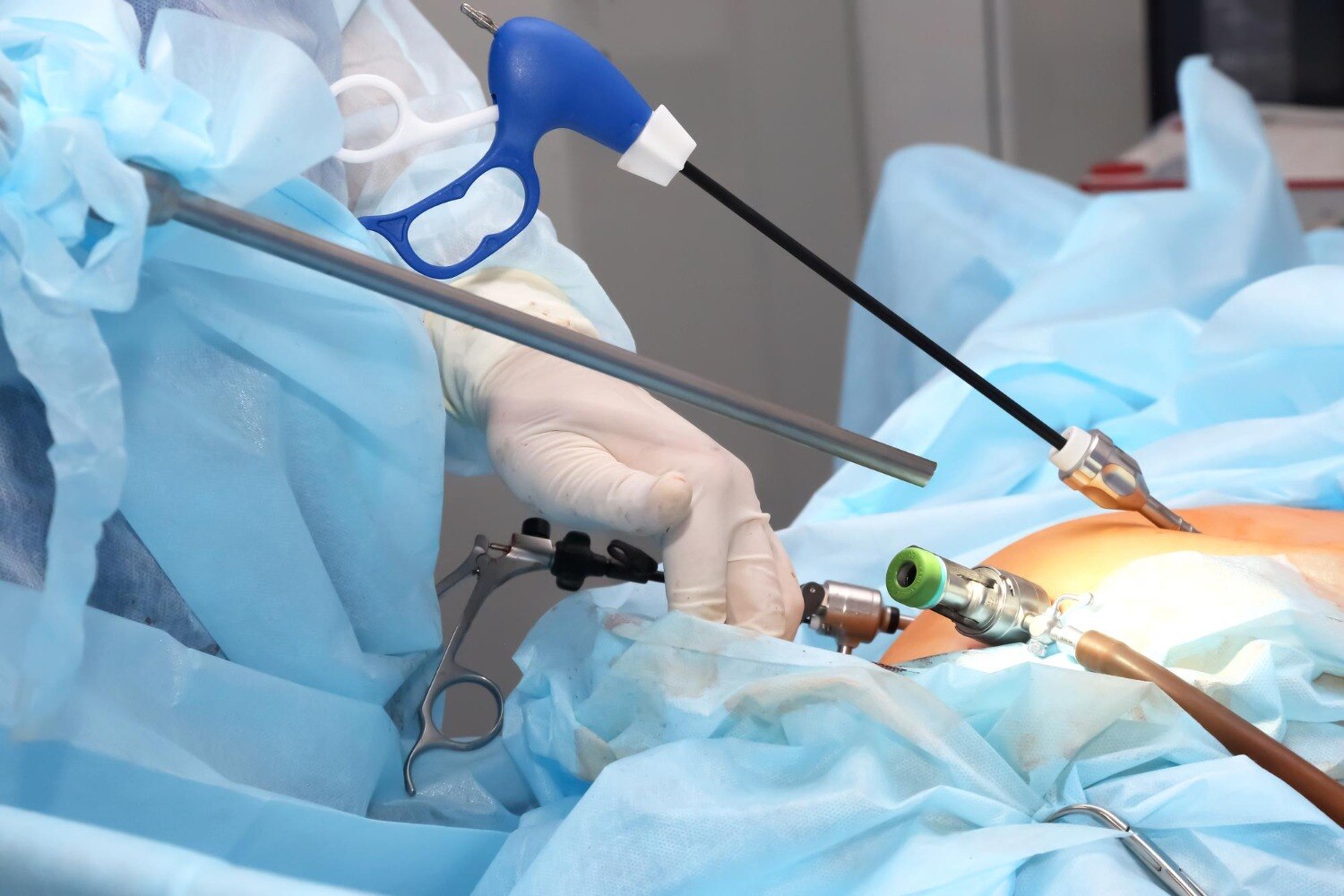
The smaller-incision option is not automatically the safer or more effective operation for ovarian cancer. The right choice depends on whether the surgeon can remove visible disease, complete accurate staging, prevent tumour rupture and manage the full extent of treatment safely; the sections below show you how to compare those decisions and prepare for a Pune consultation.
Key takeaways
- Laparoscopy can improve recovery when complete cancer staging is technically safe.
- Open surgery is safer when extensive disease requires wide access or tumour removal.
- Confirm staging, cytoreduction, pathology and chemotherapy plans before choosing an approach.
- Discuss fertility, menopause, genetic testing and personal recovery priorities with your team.
How laparoscopic and open ovarian cancer surgery differ
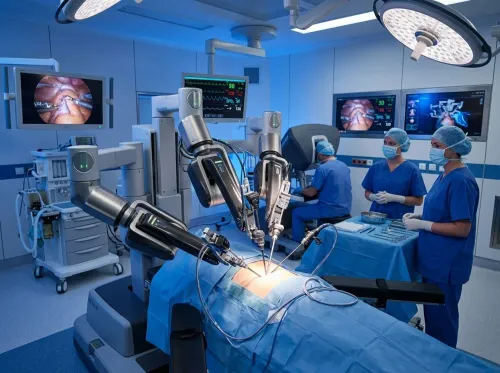
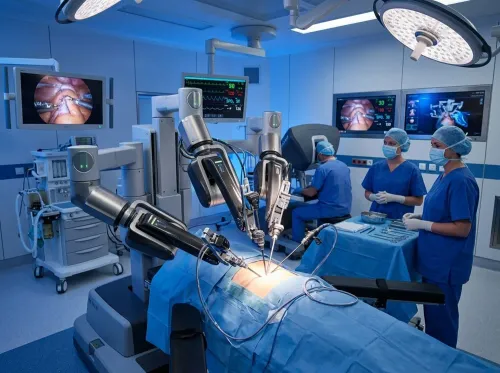
Laparoscopic surgery uses several small abdominal incisions, a camera and long instruments; open surgery uses one larger incision for direct access to the abdomen. Comparing ovarian cancer laparoscopic surgery versus open surgery means comparing access and recovery, not two different standards of cancer treatment.
| Option | Practical difference | Main consequence |
|---|---|---|
| Laparoscopic | Camera view through ports; smaller scars and less abdominal-wall injury | Usually less pain, shorter hospital stay and quicker movement |
| Open | Direct access through a larger incision | More wound pain and slower recovery, but broad access for complex disease |
| Laparoscopic mass removal | Removes a selected mass through controlled ports | Rupture or incomplete assessment is dangerous if the tumour is malignant |
| Open staging or debulking | Allows work across the pelvis, abdomen, omentum, diaphragm and bowel surfaces | Better access when complete cytoreduction requires several procedures |
Cancer clearance matters more than scar length. The important result is no visible residual disease when that is safely achievable, followed by complete pathology review. A neat laparoscopic scar does not compensate for tumour rupture or cancer left behind.
Laparoscopy may mean inspection only, formal staging or major debulking with hysterectomy, removal of both tubes and ovaries, omentectomy and biopsies. Open surgery is not automatically more thorough; ask which procedures were completed, what disease remained and whether specimens were removed intact.
When is laparoscopy suitable, and when is open surgery safer?
Selected early-stage disease is the main setting for laparoscopy. The laparoscopic versus open surgery for ovarian cancer decision in Pune depends on whether the surgeon can complete staging and remove the suspected cancer without rupture or residual disease.
A robotic operation remains minimally invasive; it is not a separate cancer treatment and has no proven general survival advantage.
| Option | Findings that support it | Main limitation |
|---|---|---|
| Laparoscopy | Apparently early-stage tumour, limited disease on imaging, safe access and a realistic chance of complete staging | Large mass, rupture risk or unexpected spread may require conversion |
| Open surgery | Extensive peritoneal disease, omental or diaphragmatic deposits, bowel involvement, bulky tumour or need for upper-abdominal access | Larger incision, with recovery shaped by the procedures performed |
| Neoadjuvant chemotherapy followed by interval surgery | Advanced disease where immediate complete debulking appears unsafe or excessively morbid | Chemotherapy does not make minimally invasive surgery automatically suitable |
Conversion to an open incision is a safety decision, not a failure. Expect the team to favour open surgery or convert when they find:
- Dense adhesions hiding tumour or preventing safe dissection
- Tumour rupture, uncontrolled bleeding or poor visibility
- Disease on the bowel, diaphragm, liver surface, peritoneum or retroperitoneal nodes
- A need for bowel, urinary-tract or extensive upper-abdominal surgery
The goal is complete cytoreduction with no visible residual disease, not the smallest scar.
What operation, staging steps and pathology will you need?
The operation may be a look, a contained mass removal, formal staging, or extensive debulking. These are different procedures, even when all use laparoscopic ports.
| Option | What it means | Main purpose |
|---|---|---|
| Diagnostic laparoscopy | Inspect the abdomen, collect washings and biopsy suspicious areas | Assess spread, resectability and whether minimally invasive surgery is safe |
| Mass removal | Remove the ovarian mass or affected ovary, aiming to avoid capsule rupture | Treat a localised lesion and obtain tissue for diagnosis |
| Formal staging | Washings, peritoneal biopsies, omentectomy, inspection and appropriate removal of tubes, ovaries, uterus or selected lymph nodes | Define how far apparently early cancer has spread |
| Debulking | Remove all visible disease, which can include pelvic, bowel, peritoneal or upper-abdominal deposits | Reduce residual tumour in advanced cancer before or alongside chemotherapy |
A frozen section examines tissue during the operation. If it shows invasive cancer, the team may proceed from mass removal to staging, or alter the incision and operation to avoid a second surgery. Frozen results have limits, especially with borderline tumours and complex subtypes.
Final histopathology is the definitive report. It establishes tumour type, grade, invasion, margins and other features that determine the final stage and chemotherapy plan. Ask how the specimen will be reviewed and recorded, including whether rupture occurred. A small incision has no value if the mass spills or staging remains incomplete.
How surgery fits with chemotherapy and recovery
Primary debulking surgery aims to remove all visible disease first, followed by chemotherapy. Neoadjuvant chemotherapy comes first when disease is extensive or predicted surgical fitness is poor; imaging and tissue confirmation guide that choice. Interval debulking follows chemotherapy, often after three cycles, then further treatment.
Trials show similar survival in appropriately selected patients, not that laparoscopy equals open surgery for extensive disease.
| Option | Typical early recovery |
|---|---|
| Laparoscopic | Often 1–3 hospital days, smaller incisions and less pain when feasible |
| Open laparotomy | Often 4–7 or more hospital days, greater abdominal pain and slower recovery |
After laparoscopy, driving usually waits until you are off opioid pain medicine and can brake firmly without pain; open surgery takes longer. Ask your insurer about its rule. Desk work may take 2–4 weeks after laparoscopy and 6–8 weeks after open surgery, while heavy lifting and strenuous exercise wait for your surgeon’s clearance.
Walking helps early recovery.
For ovarian cancer surgery options, Pune patients should ask about the expected hospital stay, conversion, bowel or urinary-tract procedures and chemotherapy timing. Report these complications promptly:
- Fever, wound redness or discharge
- Increasing abdominal pain, vomiting or a swollen abdomen
- Calf swelling, chest pain or breathlessness
- Heavy bleeding or inability to pass urine
How fertility, menopause, genetics and personal priorities affect the decision
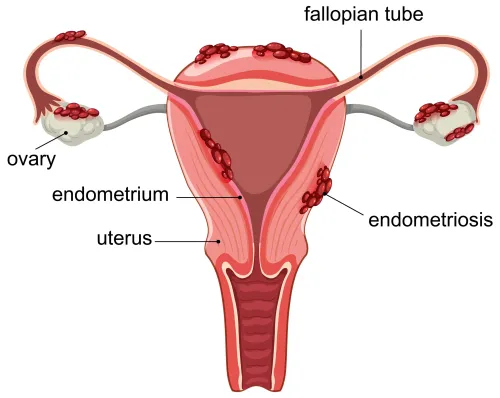
Removing one ovary can preserve fertility and ovarian hormone production if the remaining ovary, uterus and at least one fallopian tube are healthy.
Removing both ovaries causes immediate surgical menopause and eliminates the ability to use your own eggs; removing the uterus prevents carrying a pregnancy, while removal of both tubes prevents natural conception but not embryo transfer if the uterus remains.
| Option | Fertility effect | Hormone effect |
|---|---|---|
| One ovary removed | Pregnancy may remain possible with the uterus and remaining tube | Remaining ovary may continue hormone production |
| Both ovaries removed | No pregnancy using your own eggs | Immediate menopause; hot flushes, sleep changes and bone-protection needs require discussion |
| Uterus and tubes removed | You cannot carry a pregnancy; both tubes also prevent natural conception | Ovarian hormones continue only if ovaries remain |
Fertility-sparing surgery suits selected patients with an early, unilateral, low-grade or otherwise favourable tumour, after expert pathology review and complete staging. Recurrence risk must be explicit.
Age, ovarian reserve and pregnancy plans shape the choice. A BRCA1 or BRCA2 variant, or a strong family history of breast, ovarian, fallopian-tube or primary peritoneal cancer, changes genetic counselling and the timing of risk-reducing removal of both tubes and ovaries after childbearing.
Questions to ask a Pune ovarian cancer surgery team
Compare Pune teams by cancer capability, not by incision size. Searching “open or laparoscopic ovarian cancer surgery pune” should lead you to questions about complete staging, cytoreduction and coordinated follow-up.
| Hospital or surgeon | Ask for evidence |
|---|---|
| Hospital | A gynaecologic-oncology team, frozen section, final pathology review and intensive-care access |
| Surgeon | Experience with staging, upper-abdominal disease and achieving no visible residual disease |
| Operation plan | The chance of conversion, bowel resection, stoma, urinary-tract repair and intact specimen removal |
| Perioperative plan | Blood-loss control, transfusion arrangements and recovery monitoring |
| After surgery | A named medical oncologist and a clear chemotherapy schedule |
Ask whether primary debulking or chemotherapy first is recommended, and why. Request the suspected stage, histologic type and expected residual disease in writing.
If you meet Dr.Kunaal Shinde- Gynaec Laparoscopic Surgeon Pune, use the same checklist; laparoscopic or robotic equipment alone does not establish ovarian cancer expertise. A conversion plan is reassuring when it protects cancer clearance, prevents tumour rupture or manages unexpected bowel involvement.
Related services
Gynaec Laparoscopic Surgery Gynecologic laparoscopic surgery is a minimally invasive procedure that allows a surgeon to diagnose and treat gynecological conditions. View service → |
Gynaec Onco Surgery Cervical Cancer Ovarian Cancer Uterine Cancer Fallopian Tube Cancer Vulvar Cancer View service → |
Frequently asked questions
How do laparoscopic and open ovarian cancer surgery differ?
Laparoscopic surgery uses several small incisions, a camera and long instruments. Open surgery uses one larger abdominal incision, giving the surgeon direct access to the abdomen. The choice concerns surgical access and recovery, not separate standards of cancer treatment.
When is laparoscopy suitable for ovarian cancer surgery?
Laparoscopy is suitable when the surgeon can safely inspect the abdomen, complete required staging and remove or treat the cancer without compromising cancer control. Open surgery is safer when tumour spread, size or technical difficulty requires wider access.
What staging and pathology steps can ovarian cancer surgery involve?
The operation can include inspection of the abdominal lining, removal of the ovaries and fallopian tubes, hysterectomy, omentectomy, removal of visible tumour and lymph-node assessment when indicated. A pathology report then identifies the cancer type, grade and stage.
How do fertility, menopause and genetics affect the surgery decision?
Your plan depends on cancer stage, tumour type, age, fertility goals and whether preserving an ovary or uterus is oncologically safe. Discuss surgical menopause, fertility preservation, genetic counselling and testing for inherited variants such as BRCA1 and BRCA2 before surgery.