
An ectopic pregnancy is a medical emergency that requires prompt diagnosis and appropriate treatment. While some cases can be managed with medication, others require immediate surgical intervention to protect a woman's health and preserve future fertility whenever possible. For women searching for Robotic Ectopic Pregnancy Surgery in Pune, understanding when robotic surgery is recommended and how it differs from conventional procedures can help reduce anxiety during an already stressful time.
Dr. Kunaal Shinde manages ectopic pregnancies using a patient-centred approach, carefully assessing each case to determine the safest and most effective treatment. When surgery is necessary and the patient's condition allows, robotic-assisted surgery may be considered as a minimally invasive option.
What Is an Ectopic Pregnancy?
A normal pregnancy develops inside the uterus. An ectopic pregnancy occurs when the fertilised egg implants outside the uterus, most commonly in the fallopian tube. Less commonly, it may occur in the ovary, cervix, or abdominal cavity.
Because these locations cannot support the growth of a pregnancy, an ectopic pregnancy cannot continue normally and requires medical treatment.
If left untreated, it may lead to rupture of the affected tube, severe internal bleeding, and other life-threatening complications.
Common Symptoms of an Ectopic Pregnancy
The symptoms may vary depending on how early the condition is diagnosed.
Some women experience:
Missed menstrual period
Lower abdominal or pelvic pain
Vaginal spotting or bleeding
Pain on one side of the abdomen
Shoulder tip pain caused by internal bleeding
Dizziness or fainting in severe cases
These symptoms should never be ignored, particularly during early pregnancy. Early medical evaluation allows for faster diagnosis and timely treatment.
How Is an Ectopic Pregnancy Diagnosed?
Doctors use a combination of clinical examination and investigations to confirm the diagnosis.
These may include:
Pregnancy blood tests (beta-hCG)
Transvaginal ultrasound
Pelvic examination
Additional blood investigations if required
Early diagnosis often provides more treatment options and may reduce the likelihood of emergency surgery.
When Is Robotic Surgery Recommended?
Not every ectopic pregnancy requires robotic surgery. The treatment depends on several important factors, including the patient's symptoms, overall condition, pregnancy size, and whether the fallopian tube has ruptured.
Robotic surgery may be considered when:
The patient is medically stable.
Surgical treatment is necessary.
The ectopic pregnancy has not responded to medical management.
The surgeon determines that a minimally invasive approach is appropriate.
Preservation of surrounding reproductive structures is possible.
In emergency situations involving severe internal bleeding, the surgical approach is chosen based on what is safest for the patient.
How Does Robotic Surgery Help?
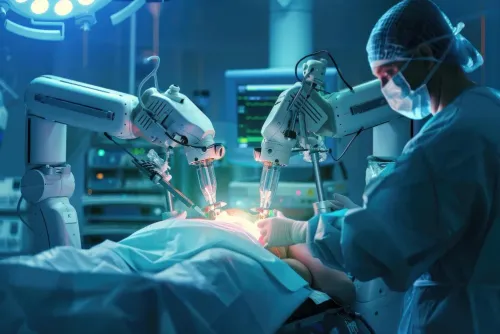
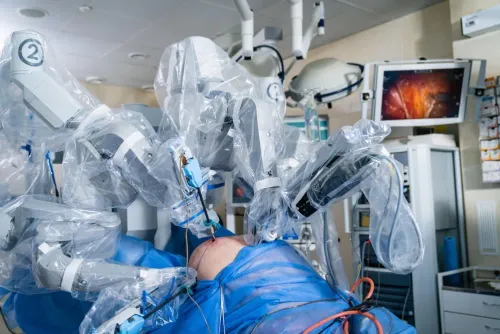
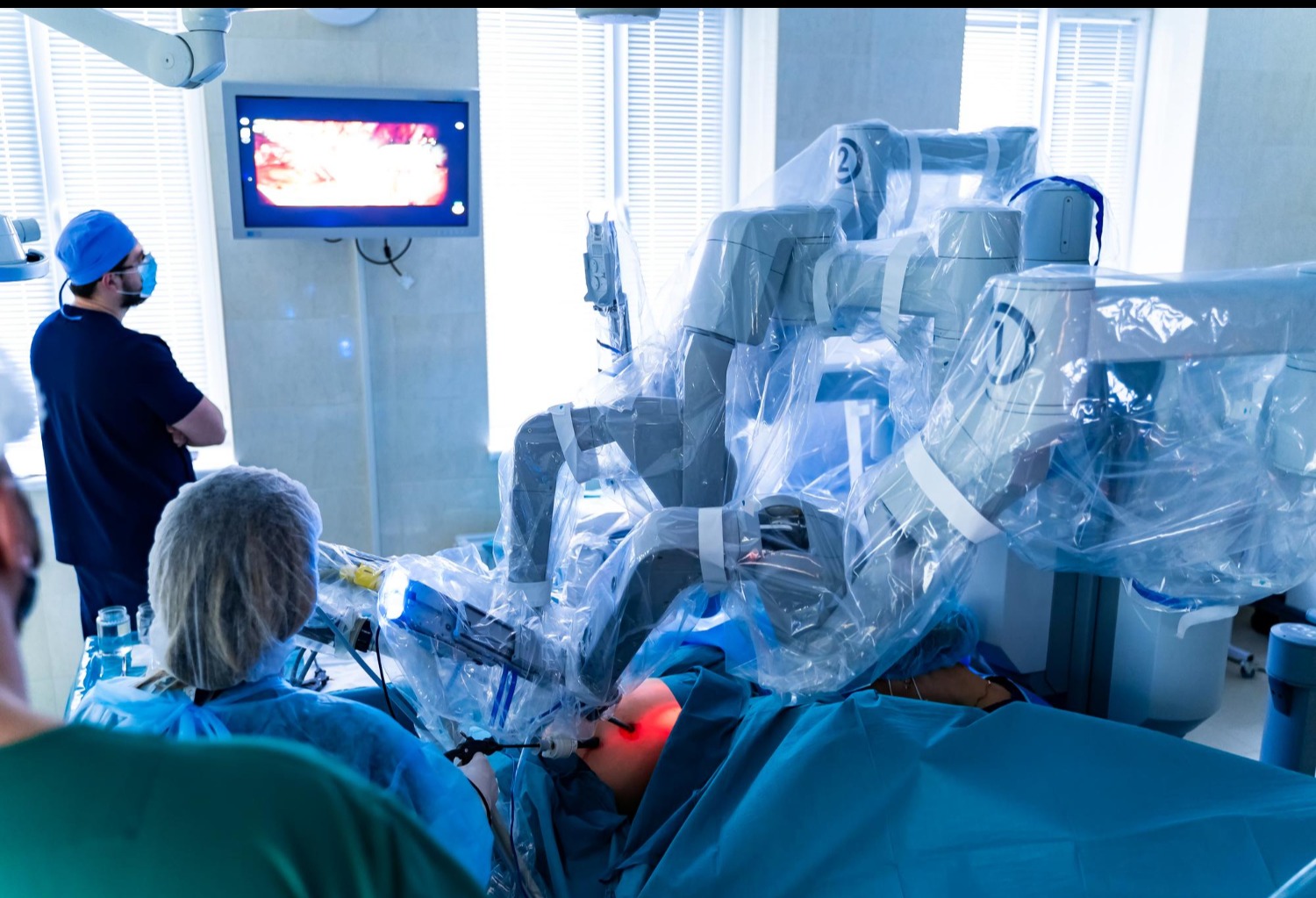
Robotic-assisted surgery provides the surgeon with enhanced visualisation and greater precision during delicate pelvic procedures.
Potential advantages include:
Small surgical incisions
Improved visibility of pelvic structures
Greater surgical precision
Reduced blood loss in suitable cases
Less postoperative discomfort
Smaller scars
Shorter hospital stay for many patients
Faster recovery compared with traditional open surgery
The primary goal remains the safe removal of the ectopic pregnancy while protecting the patient's health.
Can Future Fertility Be Preserved?
One of the biggest concerns after an ectopic pregnancy is whether future pregnancy will still be possible.
The answer depends on several factors, including:
The location of the ectopic pregnancy
Whether the fallopian tube has ruptured
The amount of damage present
The condition of the opposite fallopian tube
Previous reproductive history
Whenever medically appropriate, surgeons aim to preserve healthy reproductive tissue. However, patient safety always remains the highest priority.
A discussion about future pregnancy planning is an important part of postoperative follow-up.
What Is Recovery Like?
Recovery following robotic surgery is generally quicker than recovery after traditional open surgery.
Many patients can expect:
Early walking after surgery
A relatively short hospital stay
Gradual improvement in discomfort over several days
Return to light daily activities within a short period
Follow-up visits to monitor recovery and pregnancy hormone levels
Recovery timelines vary depending on the patient's condition before surgery and the complexity of the procedure.
Questions to Ask Your Specialist
If robotic surgery has been recommended, consider discussing the following during your consultation:
Why is surgery necessary in my case?
Can robotic surgery be safely performed?
Will the affected fallopian tube be preserved?
What are the possible risks?
How long will recovery take?
When is it safe to plan another pregnancy?
What follow-up care will I need?
These discussions help patients understand their treatment options while preparing for recovery.
Choosing the Right Specialist for Robotic Ectopic Pregnancy Surgery in Pune
An ectopic pregnancy requires timely diagnosis, careful surgical judgement, and compassionate care. While robotic technology can support minimally invasive treatment in selected patients, the experience and decision-making ability of the surgeon remain the most important factors.
When considering Robotic Ectopic Pregnancy Surgery in Pune, choose a specialist who evaluates every case individually and recommends treatment based on medical evidence rather than a standard approach. Dr. Kunaal Shinde focuses on providing safe, personalised care while using advanced minimally invasive techniques whenever appropriate. From emergency management to postoperative recovery, the priority is always protecting the patient's health, preserving future reproductive potential whenever possible, and ensuring comprehensive support throughout the treatment journey.