
A hysterectomy is a major decision for any woman, and understanding the available surgical options is an important part of planning treatment. With advances in minimally invasive techniques, robotic-assisted hysterectomy has become an effective option for many women who require removal of the uterus for medical reasons. If you're considering Robotic Hysterectomy in Pune, it's helpful to know who may benefit from this procedure, what the surgery involves, and what recovery typically looks like.
Dr. Kunaal Shinde performs robotic hysterectomy after a comprehensive evaluation of each patient's condition. Rather than recommending surgery based solely on technology, the focus is on selecting the safest and most appropriate treatment that supports the best possible long-term outcome.
What Is a Robotic Hysterectomy?
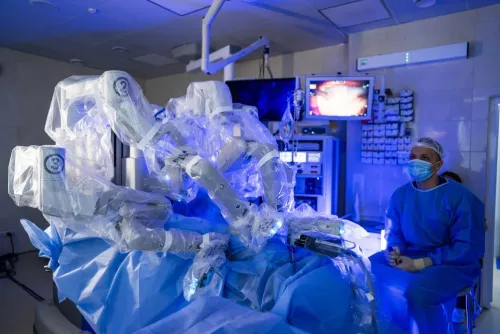
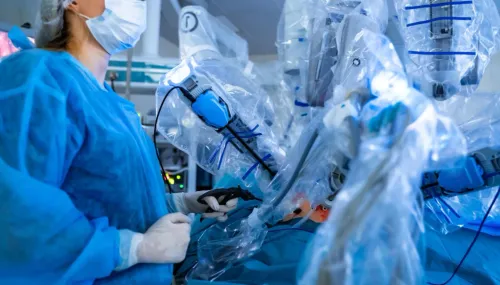
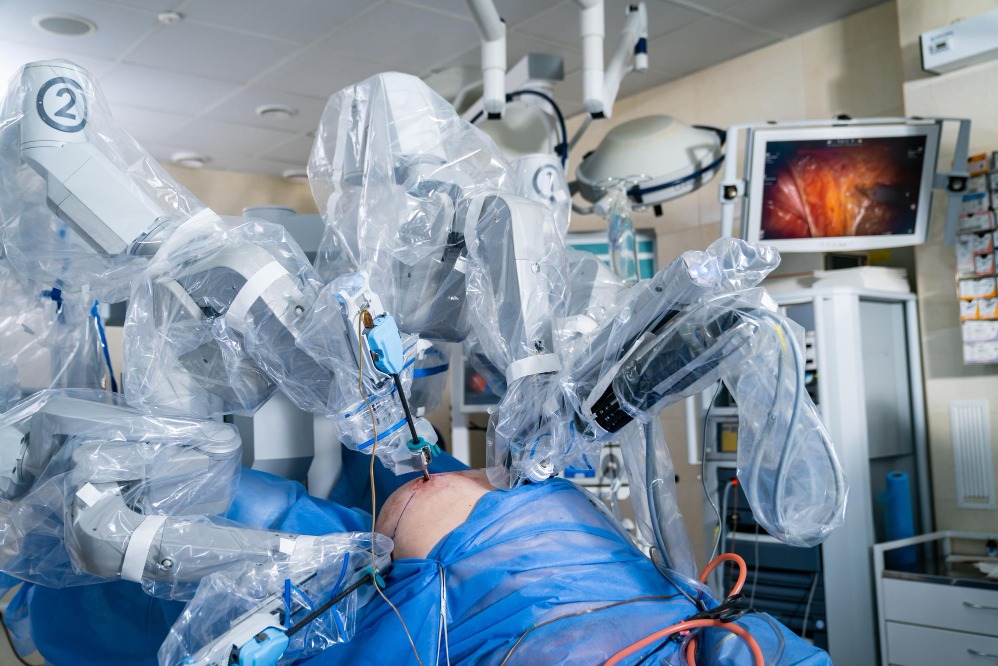
A robotic hysterectomy is a minimally invasive surgical procedure in which the uterus is removed using robotic-assisted technology. The surgeon controls robotic instruments from a specialised console, allowing highly accurate movements while viewing the surgical field through a magnified three-dimensional camera.
The robotic system does not perform the surgery independently. It functions as an advanced extension of the surgeon's hands, improving precision and access to delicate pelvic structures.
Because the procedure is performed through small incisions, many women experience less postoperative discomfort compared to traditional open surgery.
When Is a Robotic Hysterectomy Recommended?
Not every woman requiring a hysterectomy is automatically a candidate for robotic surgery. The decision depends on several medical factors, including the underlying condition and overall health.
A robotic hysterectomy may be recommended for women with:
Large or symptomatic uterine fibroids
Persistent heavy menstrual bleeding that has not responded to treatment
Adenomyosis causing chronic pain or excessive bleeding
Severe endometriosis affecting quality of life
Chronic pelvic pain linked to uterine disease
Precancerous conditions of the uterus or cervix
Selected early-stage gynaecological cancers
Your doctor will carefully review your diagnosis before determining whether a robotic approach is appropriate.
Who May Be a Good Candidate?
Many women are suitable candidates for robotic hysterectomy, particularly when minimally invasive surgery can be performed safely.
You may be considered a good candidate if:
Your condition requires removal of the uterus.
Conservative treatments have not provided adequate relief.
Your overall health allows for minimally invasive surgery.
You do not have medical conditions that make robotic surgery unsuitable.
Imaging studies indicate that the procedure can be completed safely using robotic techniques.
Every patient is different, which is why a personalised consultation is essential before making a treatment decision.
Advantages of Robotic Hysterectomy
One of the biggest reasons robotic hysterectomy has become increasingly popular is the combination of surgical precision and patient comfort.
Some potential benefits include:
Smaller incisions
Reduced blood loss during surgery
Less postoperative pain
Lower risk of wound-related complications
Improved visualisation for the surgeon
Greater precision in complex procedures
Shorter hospital stay for many patients
Faster recovery compared with open surgery
Minimal scarring
Although these advantages are common, recovery and outcomes vary depending on the patient's health and the complexity of the surgery.
What Happens Before the Procedure?
Preparation begins with a detailed consultation and medical assessment.
Your surgeon may recommend:
Blood investigations
Pelvic ultrasound or MRI if required
ECG and fitness assessment
Anaesthesia evaluation
Review of current medications
Discussion of previous surgeries and medical conditions
During this stage, you'll also receive information about the procedure, expected recovery, possible risks, and postoperative care.
What Can You Expect During Recovery?
Recovery after robotic hysterectomy is generally quicker than after traditional open surgery, but healing still requires time and proper care.
Many women can expect:
Walking within a few hours after surgery
A relatively short hospital stay
Gradual reduction in discomfort over the first week
Return to light daily activities within a short period, as advised by the surgeon
Return to office-based work within a few weeks in many cases
Your doctor will advise when it is safe to resume driving, exercise, lifting heavy objects, and other routine activities.
Following these instructions carefully supports a smoother recovery.
Questions to Ask Before Choosing Robotic Hysterectomy
Making an informed decision starts with asking the right questions.
Consider discussing the following during your consultation:
Why do I need a hysterectomy?
Is robotic surgery the best option for my condition?
Are there alternatives to surgery?
Will my ovaries need to be removed?
How long is the expected recovery?
What are the possible risks and complications?
When can I return to work and everyday activities?
These conversations help ensure that you fully understand your treatment plan.
Choosing the Right Specialist for Robotic Hysterectomy in Pune
Advanced surgical technology delivers the best results when combined with clinical expertise and careful decision-making. The surgeon's experience, ability to assess each patient's condition, and commitment to personalised care are just as important as the technology itself.
When exploring options for Robotic Hysterectomy in Pune, choose a specialist who explains every aspect of your treatment, discusses all available alternatives, and recommends surgery only when it is medically appropriate.
With extensive experience in minimally invasive gynaecological procedures, Dr. Kunaal Shinde provides patient-focused care that combines modern robotic techniques with evidence-based treatment planning. The objective is to help women receive safe, precise, and personalised surgical care while supporting a comfortable recovery and improved quality of life.