

Ovarian endometriosis commonly appears as an endometrioma, sometimes called an endometriotic or “chocolate” cyst. Although these cysts are associated with endometriosis, their management is not as simple as removing every cyst detected on an ultrasound.
An Ovarian Endometriosis Surgeon must consider symptoms, cyst characteristics, ovarian reserve, age, previous surgery and fertility plans before recommending an operation.
What Is an Ovarian Endometrioma?
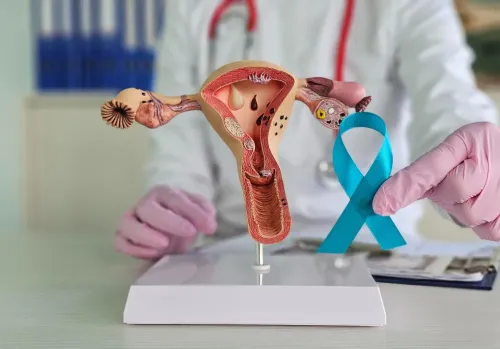
An endometrioma develops when endometriosis affects the ovary and forms a cyst containing altered blood products.
It may occur in one or both ovaries and can be associated with other endometriotic lesions or pelvic adhesions.
Possible symptoms include pelvic pain, painful periods and discomfort during intercourse. Some women, however, discover an endometrioma during fertility evaluation or an ultrasound performed for another reason.
Does an Endometrioma Always Need Removal?
No.
Whether surgery is appropriate depends on the individual situation. Factors that may influence treatment include:
Persistent or significant pain
Cyst size and ultrasound appearance
Changes during follow-up
Previous ovarian surgery
Fertility plans
Ovarian reserve
Diagnostic uncertainty
Other areas of suspected endometriosis
A stable cyst in one patient may be managed differently from a symptomatic or changing ovarian lesion in another.
Why Ovarian Reserve Is Important
The ovaries contain a finite number of follicles. Surgical removal of an endometrioma requires separating the cyst from healthy ovarian tissue, and this process can potentially affect ovarian reserve.
This becomes particularly important when both ovaries are involved or when the patient has undergone previous ovarian surgery.
Tests such as anti-Müllerian hormone, together with ultrasound assessment of the ovaries and the wider fertility picture, may be considered when reproductive planning is important.
Surgery Before Fertility Treatment Needs Individual Assessment
Women planning IVF sometimes assume that an endometrioma must be removed first. That is not universally the case.
The decision may depend on symptoms, cyst characteristics, access to follicles during fertility treatment, previous operations and ovarian reserve.
For some women, proceeding with fertility treatment without ovarian surgery may be appropriate. For others, surgery may have a clear clinical indication.
Coordination between the fertility specialist and gynaecological surgeon can therefore be valuable.
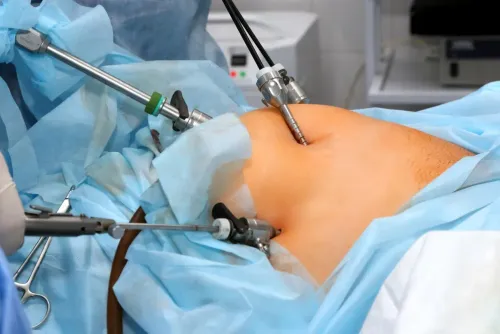
What Happens During Laparoscopic Surgery?
When surgery is selected, laparoscopy allows the pelvis to be assessed through small incisions.
The surgeon may evaluate:
The affected ovary
The opposite ovary
Fallopian tubes
Pelvic adhesions
Endometriosis elsewhere in the pelvis
Relationship of disease to nearby structures
The surgical technique is selected according to the cyst, ovarian tissue and the patient's reproductive priorities.
Questions to Discuss Before an Operation
Before ovarian endometriosis surgery, patients should understand:
Why surgery is being recommended
Whether alternatives are reasonable
How ovarian reserve may be affected
Whether both ovaries are involved
How fertility goals influence the surgical approach
Whether additional endometriosis may require treatment
What follow-up may be needed afterward
For women in Pune, Maharashtra, Dr. Kunaal Shinde evaluates ovarian endometriosis within the broader context of pelvic health and future reproductive goals.
The presence of an ovarian endometrioma is only one part of the decision. Thoughtful management considers what treatment can achieve while also protecting healthy ovarian tissue whenever clinically possible.